TAF Africa Launches Hub to Support PWDs Seeking Elective Office in 2027
As preparations for the 2027 general elections gather pace, the push for greater inclusivity in Nigeria’s democracy has come into sharper focus. In response, the All-Rights Foundation (TAF) Africa...

As preparations for the 2027 general elections gather pace, the push for greater inclusivity in Nigeria’s democracy has come into sharper focus. In response, the All-Rights Foundation (TAF) Africa has established incubation hubs across the country’s six geopolitical zones to train and mentor at least 180 aspiring politicians with disabilities.
TAF Africa made this known in a statement by its Chief Executive Director, Jake Epelle, ahead of the programme’s launch. It said the training and mentorship initiative will equip persons with disabilities interested in elective office with skills in leadership, strategic communication, campaign financing, voter mobilisation, political negotiation, media engagement, and inclusive governance.
Supported by the European Union under the EU Support to Democratic Governance in Nigeria (EU-SDGN) Programme, the mentorship and coaching initiative is designed for aspiring politicians with disabilities seeking elective offices at all levels, including councillorship, chairmanship, State Houses of Assembly, governorships, National Assembly seats, and the presidency.
According to the organisation, the programme was introduced to address barriers preventing persons with disabilities from participating fully in Nigeria’s elections. It also responds to findings from a study showing that, despite their significant population, persons with disabilities remain largely excluded from leadership positions, underscoring their under-representation in the country.
TAF further explained that it carried out a study and discovered that while over 200 persons with disabilities occupied political positions across Nigeria between 2015 and 2019, only four persons with disabilities were found to have held elective political offices across the national, state, and local government levels within the study period, representing less than 0.1% of all elective positions in Nigeria.
The findings also showed that out of the elected officials recorded within those years, none of them were women with disabilities, highlighting a severe intersectional gap affecting women and girls with disabilities in politics.
Moreover, the study identified 213 persons with disabilities holding appointive positions. Over 99% of positions occupied by PWDs are appointive rather than elective. More than half (55.2%) serve as special advisers or special assistants on disability matters.
TAF also stated that research shows that between 2019 and 2025, only 116 people with disabilities applied for elective positions across the country, indicating societal barriers despite the provision of the law that protects the rights of the PWDs in Nigeria.
As a result, TAF stressed the urgent need to inspire confidence, mentorship, political consciousness, and leadership ambition among PWDs themselves to be able to organise and mobilise and take advantage of their large numbers to their advantage and influence elections.
Estimating the population of the PWDs to be up to 34 million in Nigeria actively, TAF Africa maintained that it is also ready to mobilise them with its Able2Run campaign that will enhance participation in politics, not only as voters but also as aspirants, candidates, elected officials, and leaders at all levels of governance.
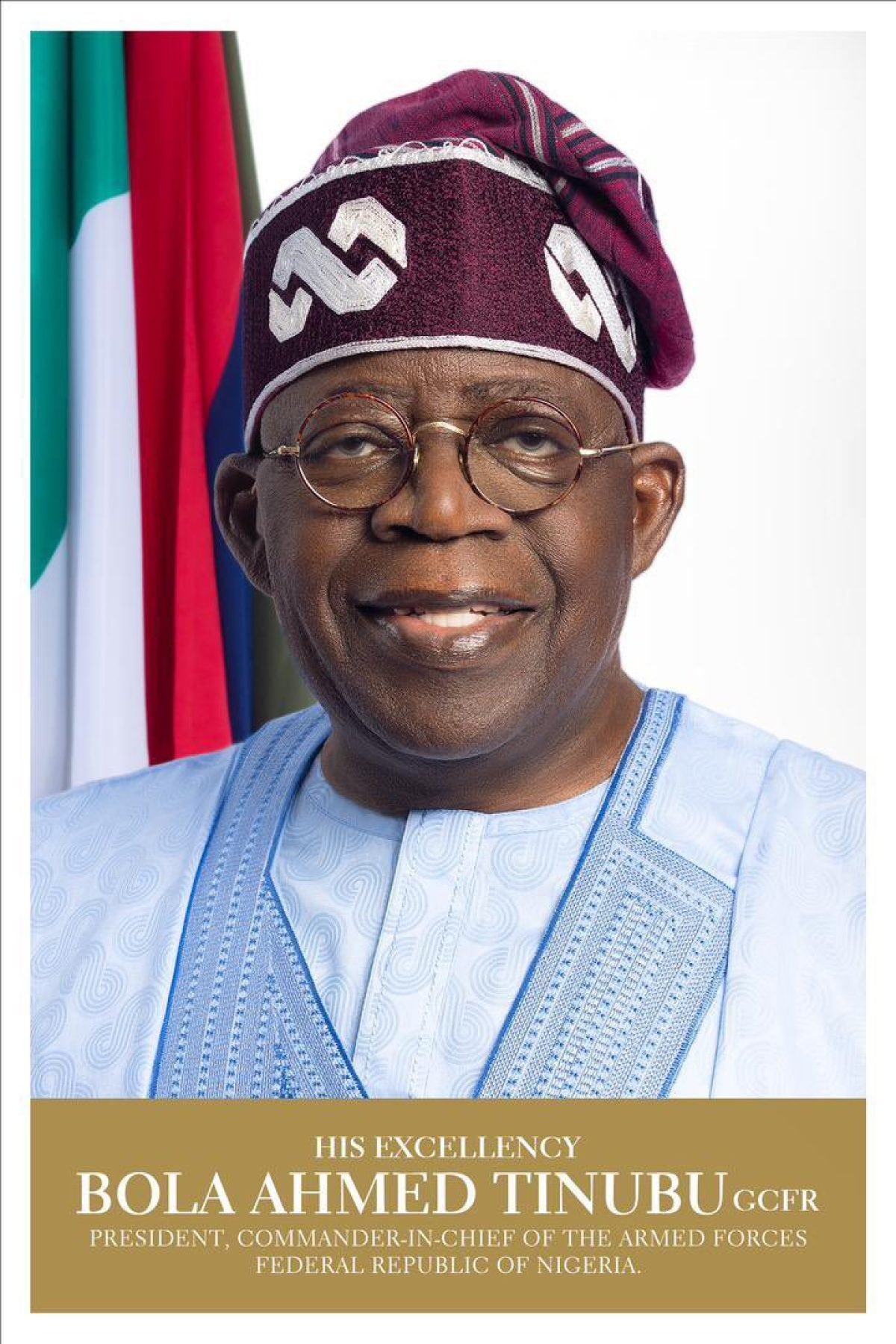
It further explained that for President Bola Tinubu to win his elections in 2023 with just 8.8 million votes, the relevance of the population of the PWDs must not be trivialised.
“For perspective, the total votes secured by President Bola Ahmed Tinubu in the 2023 presidential election were approximately 8.8 million, a number far fewer than the estimated number of persons with disabilities in Nigeria. This comparison underscores a critical point about the strength this constituency possesses. If mobilised and politically organised, persons with disabilities represent a voting bloc large enough to both influence elections and potentially produce elected leaders at every level.
Despite this, TAF Africa maintained that the PWDs are still confronted with challenges that limit their participation in Nigeria’s democratic and governance space; some of the major identified challenges are “inaccessible polling units and meeting venues, discriminatory attitudes and stereotypes, poverty and lack of financial resources, communication barriers arising from inaccessible information formats, and exclusion within political party structures.
“Equally concerning is the inadequacy of disability-disaggregated electoral data. Current information from the Independent National Electoral Commission (INEC) reportedly reflects fewer than 100,000 registered voters with disability data. This grossly under-represents the true voting population of persons with disabilities in Nigeria and undermines effective planning for inclusive elections.
Political parties also continue to fall short in ensuring full inclusion. TAF Africa’s Political Inclusion Index assessment of major political parties in Nigeria showed that most parties operate only at a moderate or limited level of disability inclusion. While some progress has been recorded, only one of the assessed parties achieved a high inclusion rating. This demonstrates that significant work remains to ensure disability inclusion becomes institutionalised within party structures, policies, and electoral processes.”
To also fix the identified barriers, TAF also explained that the training will “support at least 180 aspiring politicians with disabilities”. Participants will receive training in leadership, strategic communication, campaign financing, voter mobilisation, political negotiation, media engagement, and inclusive governance. This programme is completely free. What is required is commitment, courage, and the determination to lead.”
Calling for active participation, TAF Africa urged the PWDs across the country to “rise boldly and participate actively in politics. We urge aspiring politicians with disabilities to reject fear, silence, and self-doubt of Persons with Disabilities (OPDs) to deliberately mobilise, mentor, and support members to seek elective offices and participate meaningfully in political party activities.
“We call on all political parties to adopt deliberate disability inclusion policies, including affirmative action measures and disability quotas for elective and appointive positions. Political parties must make their offices, campaigns, meetings, and communication materials accessible to all. Membership forms and party information should be available in braille, large print, audio, and other accessible formats. We further call on political parties to make nomination forms affordable for persons with disabilities and to waive discriminatory financial barriers that continue to exclude qualified aspirants with disabilities from contesting elections,” the statement partly reads.