
Osun 2026: IPC Holds Fact-Checking, Digital Literacy Workshop for INEC Officials
As part of efforts to improve the information space and curb false information during elections, the International Press Centre (IPC) organised an intensive training workshop for staff of the...

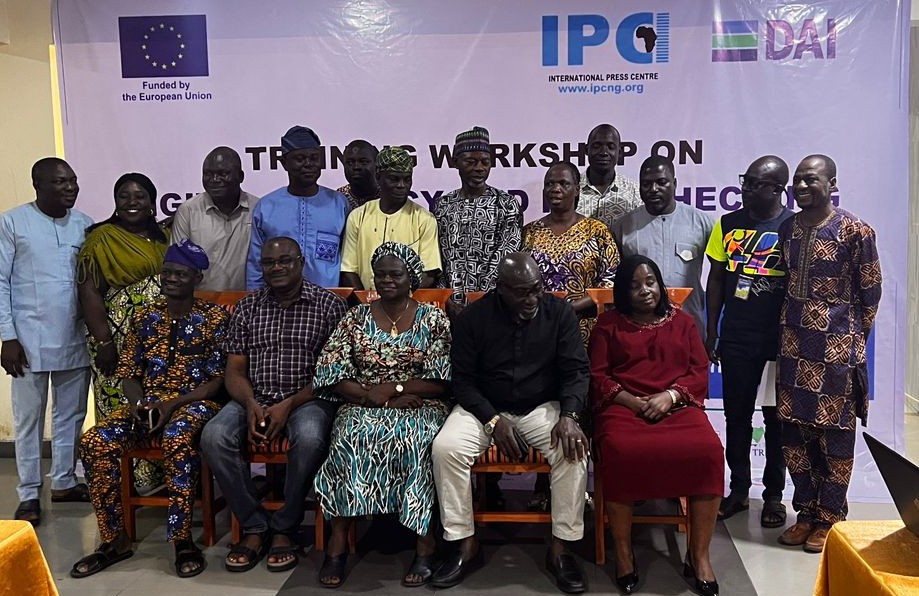
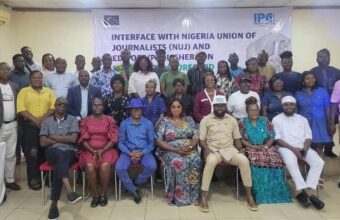
As part of efforts to improve the information space and curb false information during elections, the International Press Centre (IPC) organised an intensive training workshop for staff of the Independent National Electoral Commission (INEC) in Osun State ahead of the state’s off-cycle election scheduled for August 15, 2026.
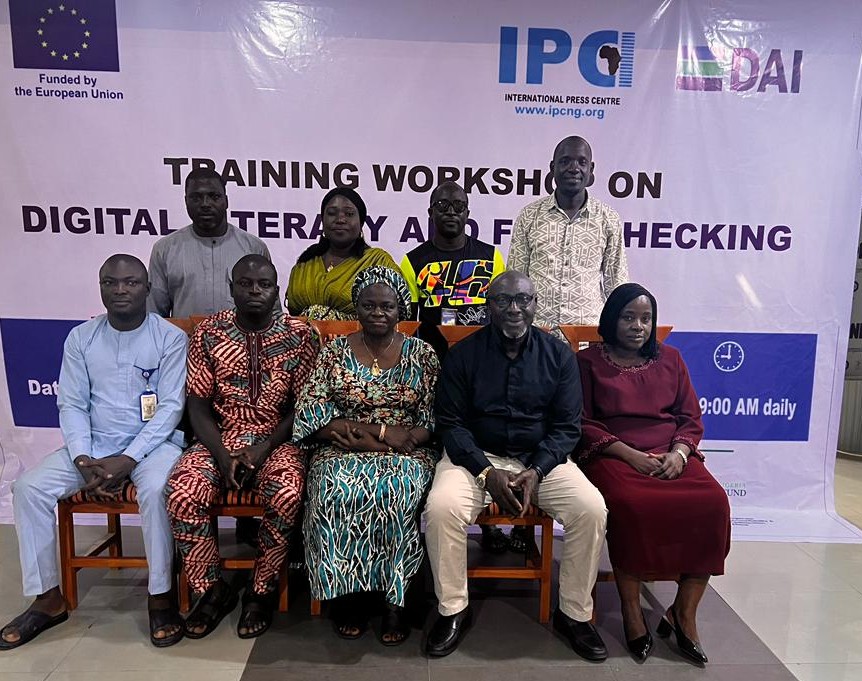
The three-day training, held from July 3 to 5, 2026, brought together senior and junior INEC officials in Osun State, including the Resident Electoral Commissioner, Mrs Oluwatoyin Babalola. It focused on digital literacy, fact-checking, crisis communication and proactive public information management ahead of the poll.
Implemented under Components 1 and 4 of the European Union Support to Democratic Governance in Nigeria Phase II (EUSDGN II) Programme, the training was organised to equip the electoral commission with the tools needed to engage the public and debunk false information during the election period. IPC led Component 4, while DAI implemented Component 1.
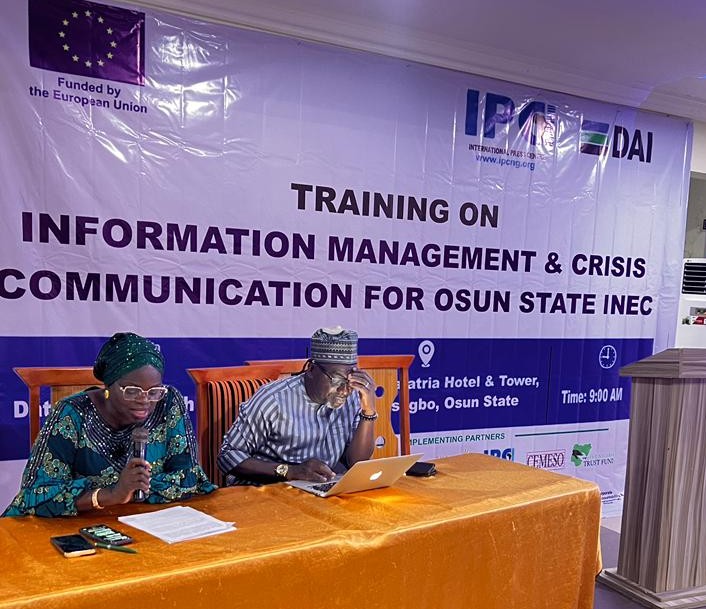
The training opened with remarks from Mr Lanre Arogundade, Executive Director of the International Press Centre, who said it was organised in response to the polluted information space and the challenges INEC often faces during elections. He explained that IPC’s work focuses on combating false information, while DAI supports INEC, making the collaboration a platform for engaging the commission on the issue.
He further explained that the training aimed to help the electoral commission establish a fact-checking department after participants had learned the principles of fact-checking and how to identify false claims that could undermine public trust in the commission’s election preparations.
“The purpose of this training is very clear; we understand the implications of disinformation and misinformation in the electoral process, and that is why IPC and DAI have come together to ensure that you understand the gravity of this and to make you face this false information during the election. We want to appreciate the Resident Electoral Commissioner, Mrs Oluwatoyin Babalola, for her cooperation with us, just like she did while she was the REC in Ondo State; that IPC still has the record that Ondo State, under her leadership, performed well after the similar training we had with them then.
“Since we all know that false information is a critical thing, particularly during the elections, we want you to help us function in the effort to sanitise the information space, and that requires your cooperation and the impact you make as we move on. According to our engagement with the European Union, you are expected to provide a relatable outcome, and that is why we are going to create a fact-checking unit for the INEC Osun to ensure that the electoral commission can counter disinformation and misinformation in the coming election,” Mr Arogundade said.
In her address, the Resident Electoral Commissioner for the electoral body in Osun, Mrs Oluwatoyin Babalola, expressed her pleasure with the development and the collaboration between IPC and INEC to work against the danger of disinformation and misinformation as fake news spreads across the information space, stating that INEC, as election manager, is most affected by the implications of the information disorder.
The REC further acknowledged the timeliness and strategic planning of the programme, which will equip the officials of the commission with the critical knowledge, practical skills and professional competencies required to identify, verify, fact-check and appropriately respond to misleading information while communicating proactively, accurately and responsibly with stakeholders and the general public.
“The Independent National Electoral Commission recognises that the integrity of elections today extends beyond the polling units. It now encompasses the digital information ecosystem, where facts and falsehoods compete for public attention at unprecedented speed. In an age where misinformation, disinformation, and fake news spread across digital platforms like wildfire—often being accepted by many without verification—they constitute one of the greatest threats to electoral credibility, public confidence, and democratic stability.
She also expressed her optimism that the knowledge and experience to be shared during this workshop will significantly enhance the preparedness of the staff for the forthcoming Osun State Governorship Election, adding that even beyond the election, the skills acquired would continue to enrich our public communication strategies, improve stakeholder engagement, strengthen crisis communication mechanisms and reinforce public trust in the Commission’s activities.
 “The partnership between INEC and the International Press Centre continues to demonstrate the value of collaboration in strengthening democratic institutions. We deeply appreciate IPC’s unwavering commitment to promoting electoral integrity, media professionalism, information credibility, and democratic accountability in Nigeria. Your investment in building the capacity of our personnel is an investment in credible elections, informed citizens, and a stronger democracy.
“I have no doubt whatsoever that the knowledge and experience to be shared during this workshop will significantly enhance the preparedness of our staff for the forthcoming Osun State Governorship Election. Beyond the election, the skills acquired here will continue to enrich our public communication strategies, improve stakeholder engagement, strengthen crisis communication mechanisms, and reinforce public trust in the Commission’s activities.
“I therefore encourage all participants to approach this workshop with open minds, actively engage in every session, ask questions, share experiences, and maximise this rare opportunity. The responsibility of protecting the integrity of our electoral process is collective, and every officer has a critical role to play in ensuring that truth prevails over falsehood, facts triumph over rumours and professionalism guides every official communication.
“Once again, on behalf of the Independent National Electoral Commission, Osun State Office, I sincerely thank the Management and entire team of the International Press Centre for this invaluable partnership and for choosing to invest in the professional development of our personnel. We look forward to sustaining and deepening this mutually beneficial collaboration in our collective pursuit of credible, transparent, inclusive, and peaceful elections in Nigeria.”
Olusola Oludiran, an NDR reporter and fact-checker who facilitated the fact-checking session, explained the concepts of fact-checking and information disorder. He noted that the information space has been polluted by narratives capable of distorting the electoral process in the state and described fact-checking as a key tool for countering information disorder during the election period.
After explaining the fact-checking process, Olusola discussed how Artificial Intelligence (AI) can contribute to false information, particularly through deepfakes—synthetic videos and audio created to mislead the public, fuel electoral violence, erode trust and encourage voter apathy. He also demonstrated modern tools for debunking false information, especially election-related claims.
In his presentation, Mr Oliver Kalu, a Communication Specialist with Media Insight, explained the importance of digital literacy and how it can support INEC’s work, especially in communication and information management during the election period. He urged the commission to become more familiar with media monitoring and its guidelines, noting that this would help officials understand the information landscape and respond to it effectively.
He highlighted the value of social listening in improving INEC’s engagement with the public, relevant stakeholders and media practitioners. He also encouraged officials to monitor media content deliberately and manage narratives proactively to prevent rumours that could undermine public trust in the commission.
Mr Kalu also stressed the need for INEC to strengthen its digital literacy, saying this would help prevent the commission from being misrepresented, as occurred in the previous election cycle. He urged staff, particularly senior officers, to build strong relationships with the media and use social media to share information with the public, noting that this would enhance the credibility of the election.
On the final day of the training, Dr Monday Ashibogu, Managing Director of Quick News, spoke extensively on electoral issues, crisis communication, best practices for media relations, and handling conflict and sensitive issues. He noted that INEC must understand how declining trust, media scrutiny and the speed of social media shape every message from the commission.
He explained that INEC cannot afford to be passive, as issues such as IReV delays or rumours of ballot-box snatching could trigger an electoral crisis during the election cycle. Dr Ashibogu therefore urged the commission to adopt a structured response framework—a repeatable, time-bound protocol that moves from the first alert to full resolution and after-action review, tailored to the Osun operating environment.
He added that, in a crisis, the commission should take practical steps such as issuing an initial holding statement within 60 minutes of a triggering event, even before all facts are confirmed.
He also said that, during any live crisis, the commission should have one designated spokesperson, usually the REC or Head of Voter Education/Publicity and should prioritise empathy over explanation. He urged officials to address public concerns or harm first, noting that technical explanations focused on process details can appear defensive.
To protect the commission’s reputation and curb false information ahead of the off-cycle election, participants agreed to apply the knowledge gained to counter misinformation and disinformation.