Media Stakeholders Urge Ethical Reporting, Action on Misinformation Before 2027 Elections
Media professionals and development stakeholders have called on broadcast journalists to uphold ethical standards and strengthen fact-checking practices as Nigeria prepares for the 2027 general...

Media professionals and development stakeholders have called on broadcast journalists to uphold ethical standards and strengthen fact-checking practices as Nigeria prepares for the 2027 general elections.
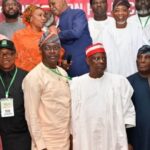
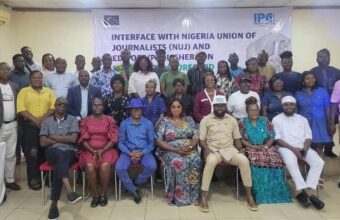
The call was made during a one-day capacity-building training organised by the Federal Radio Corporation of Nigeria (FRCN) at its headquarters in Abuja.
The training, themed “Towards 2027 Elections: Ethical Standards, Security Awareness and Combating Misinformation”, brought together editors, producers, and media experts to address the growing challenges of misinformation and professional conduct in election coverage.
The workshop formed part of activities marking FRCN’s 75th anniversary and aimed to equip broadcast practitioners with the tools needed for responsible reporting during the election cycle.
Dr Abiodun Ogidan, FRCN’s Director of Programmes, in her welcome remarks, highlighted the increasing influence of misinformation, particularly on digital platforms. She cautioned that journalism’s trustworthiness is under threat due to people who can make misinformation appear believable.
“We have many rumour peddlers on social media who sound credible and factual, yet they spread fake news,” she said. Some cases include people profiting from misinformation, even if it’s AI-generated. As we approach elections, our commitment to professionalism must be stronger than theirs.”
Dr Suleiman Musa, who represented the Director-General of FRCN, Dr Mohammed Bulama, described misinformation as a major threat to Nigeria’s democracy. He observed that elections depend not just on how people vote, but also on the type of information the public can access.
“As we prepare for another electoral cycle, we must recognise that misinformation can undermine democratic processes,” Musa said. “This training is not just an exercise; it is a call to service for media professionals.”
Dr Mohammed Bello, former Zonal Director, FRCN Ibadan National Station, advised participants on why it is necessary to upskill themselves and be cautious of misleading content, which may cause unrest in the country.
Mr Martins Oloja, the former MD/Editor-in-Chief of The Guardian newspaper, advised media professionals to uphold the ethics of the profession. He emphasised that it’s not necessary to broadcast every news story, particularly those that might be misleading.
He added that the FRCN has been a credible organisation, which shows the people working there do their jobs diligently.
Among the facilitators was Mr Lanre Arogundade, Executive Director of the International Press Centre (IPC), who stressed the importance of strict adherence to ethical guidelines in political reporting. He urged journalists to prioritise verification, particularly in an era where manipulated content and false narratives spread rapidly.
“We are in an election era, and we have seen situations in the past where information was manipulated and falsified. As members of the press, we need to go the extra mile in verifying information. Writing is not enough; verification is what solidifies the authenticity of a story.”
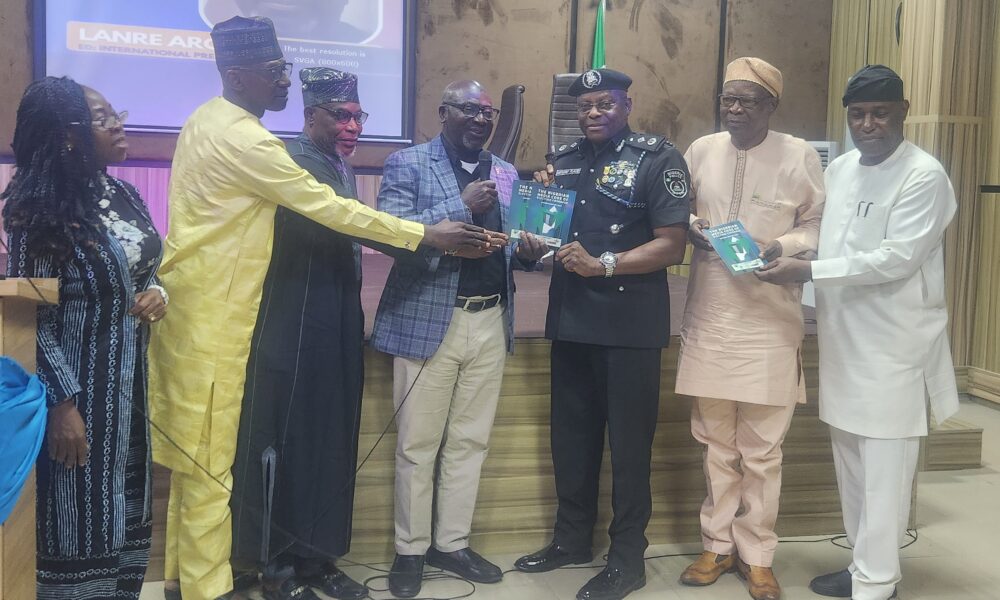
Mr Arogundade also introduced the Nigerian media code of election coverage to other facilitators, public officials, and participants as part of the International Press Centre’s role in strengthening the electoral process, democracy and accountability in Nigeria.
Other facilitators were senior media professionals and public officials such as Dr Suleiman Musa, the Police Public Relations Officer, DCP Anthony Placid; Mr Martins Oloja, former Managing Director and Editor-in-Chief of The Guardian; Mrs Victoria Eta-Messi; Dr Abiodun Ogidan, Director of Programmes at FRCN; and Mrs Folashade Orimolade, Director of News at the corporation.
The training also featured sessions on ethical reporting practices and practical approaches to combating fake news. Dr. Akin Akingbulu, Executive Director of the Centre for Media and Society (CEMESO), emphasised that broadcasters must uphold ethical standards by verifying information before it is broadcast.
He warned that the speed of modern news dissemination increases the risk of spreading false information, making it essential for journalists to prioritise accuracy over urgency.
Providing a practical perspective, Mr Timothy Bamidele, Programmes Manager at CEMESO, guided participants on how to identify and verify fake news. He outlined techniques for spotting misleading content and stressed the importance of cross-checking sources before publication.
Regulatory compliance was another key focus of the training. Mrs Pauline Ethusani, Director of Investigation and Enforcement at the National Broadcasting Commission (NBC), urged broadcasters to adhere strictly to established codes and electoral guidelines.
“The laws guiding the broadcast medium are there to guide us,” she said. “We play an important role in society, and we must verify our content before airing it to avoid misinformation and public panic.”
She noted that failure to comply with broadcasting regulations could have serious consequences, particularly during sensitive periods such as elections.
The electoral perspective was provided by Mrs. Victoria Eta-Messi, Director of Voter Education and Publicity at the Independent National Electoral Commission (INEC). She briefed participants on voter education efforts and the commission’s preparations for the 2027 elections.
Eta-Messi highlighted the dangers of misinformation to the electoral process, warning that false narratives could create unnecessary tension and erode public trust.
“We are moving into an election period where misinformation thrives,” she said. “It is the duty of the media to carry out their responsibilities diligently. With the rise of AI-generated content, the need for clarity and accuracy has never been greater.”
She expressed hope that professional journalism would help counter the spread of false information and contribute to a peaceful electoral process.
Addressing security concerns, Deputy Commissioner of Police Anthony Placid explained the role of law enforcement agencies during elections. He assured participants that the police are working to improve their operations and ensure public safety during the polls.
“We are committed to serving the public better in the forthcoming elections,” Placid said. “The police will discharge their duties diligently to ensure a secure environment.”
The training concluded with a renewed call for collaboration among media organisations, regulatory bodies, and security agencies to safeguard the integrity of the electoral process.