
Fuel Subsidy: Tinubu, Governors Meet, Agree to Cut Transportation Costs Nationwide
More than three years after the fuel subsidy was removed, President Tinubu met with state governors yesterday and agreed to collaborate on reducing transport fares nationwide. The administration aims...

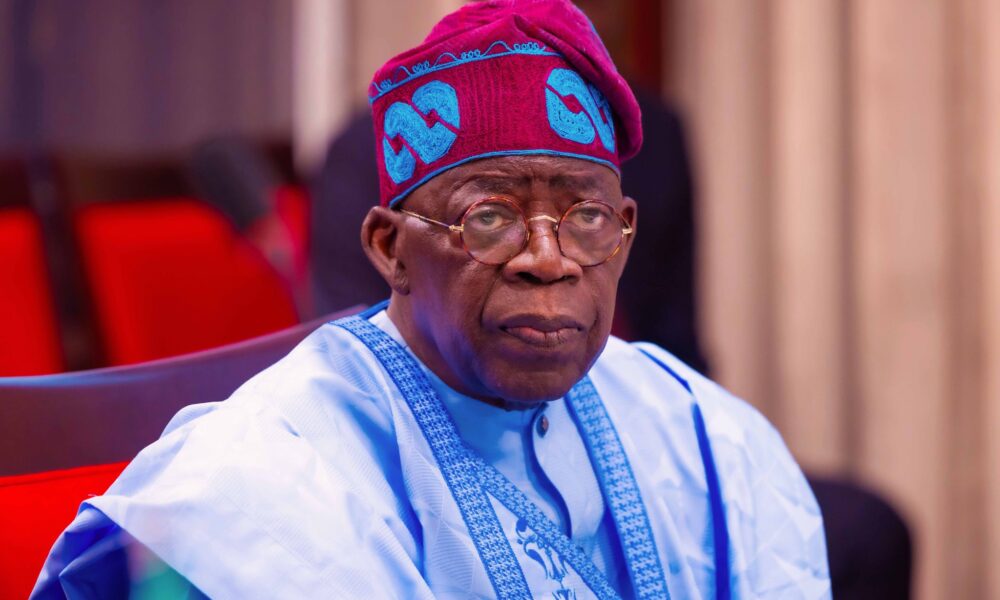
More than three years after the fuel subsidy was removed, President Tinubu met with state governors yesterday and agreed to collaborate on reducing transport fares nationwide. The administration aims for commuters to begin seeing lower costs from October 1 through wider adoption of compressed natural gas (CNG) and electric vehicles.
President Tinubu announced the development in a public statement on Thursday after meeting with state governors. He said the governors had agreed to take immediate action to reduce transportation expenses in their states, noting that intra-state transport is where Nigerians most directly feel the impact of high fuel prices.
He said the Federal Government’s investment in CNG infrastructure and vehicle conversion aims to offer an alternative to petrol, cut commercial vehicle operating costs, and ultimately reduce fares for commuters.
“The Federal Government is already investing significantly in this energy transition. Through the Presidential CNG Initiative, over 120,000 vehicles have been converted nationwide, with more than 100,000 additional conversion kits in the works. At the same time, we continue to expand conversion centres and refuelling infrastructure nationwide.
“The Federal Government, through the Midstream and Downstream Gas Infrastructure Fund, is currently financing more than 100 gas projects across the country, including 15 CNG mother stations and 86 daughter stations. In May, I commissioned four of these projects in Lagos, Abuja and Owerri, including a 15-station refuelling network in Lagos and an Abuja facility that can serve 1,000 cars and tricycles and 50 trucks and buses a day.
“I have also directed the additional rollout of another 500 CNG refuelling stations nationwide in addition to the 500 stations ordered earlier in the year by the Fund, bringing the programme to 1,000 stations across the country,” the statement partly reads.
Acknowledging that Nigerians feel transport costs most directly at the intra-state level, where states have the most influence, he urged governors to bring the benefits closer to the people they serve.
“We have agreed to set up a joint Federal and State committee to begin implementing these measures immediately. A vehicle running on CNG spends 60 to 80 per cent less on fuel than one running on petrol.
“From October 1, our goal is that Nigerians begin to partake in those savings through lower transport fares. We have agreed that cheaper fuel should result in cheaper fares!”
After Tinubu declared on May 29, 2023, that “fuel subsidy is gone,” petrol prices rose sharply as the government ended the long-running system of subsidising retail petrol costs.
The administration described the reform as necessary to end what it viewed as an unsustainable and inefficient subsidy system, arguing that the savings could be redirected to infrastructure, healthcare, education, and other national development priorities.
However, the policy immediately drove up transport costs as commercial operators faced higher fuel and operating expenses. Fares rose in major cities, and the increased cost of moving people and goods added to inflationary pressures. Higher logistics costs later fed into food prices and other consumer goods, putting further strain on household incomes.
The Tinubu administration has been under growing pressure to demonstrate that the financial savings generated by subsidy removal are producing tangible benefits for Nigerians. The government has maintained that the reform has created significant fiscal space for the country.
.