
Media Foundation Report Highlights Sahel Repression as IPC Backs Press Freedom Call at Abuja Conference
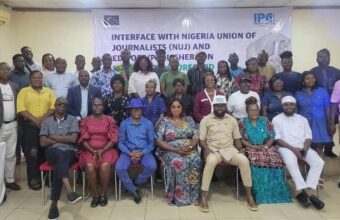
At the Johnwood Hotel in Abuja on Tuesday, August 11, 2026, the Media Foundation for West Africa (MFWA) held a major regional conference on press freedom and democratic governance. The event brought...

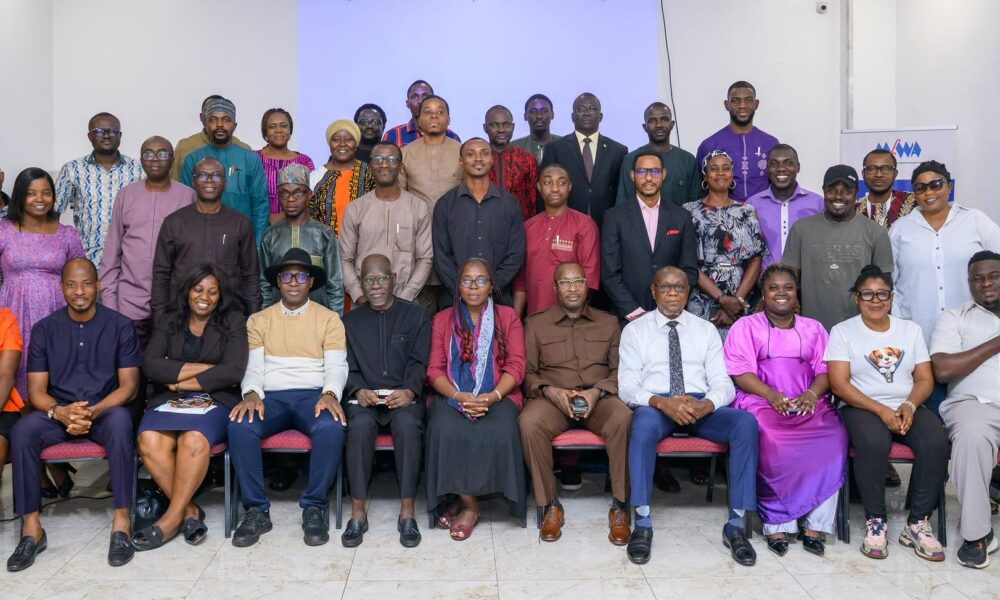
At the Johnwood Hotel in Abuja on Tuesday, August 11, 2026, the Media Foundation for West Africa (MFWA) held a major regional conference on press freedom and democratic governance. The event brought together policymakers, journalists, media owners, civil society leaders, academics, and development partners from across Africa and featured the launch of a new MFWA report exposing growing repression in military-led Sahel states.
Presented by MFWA Executive Director Sulemana Braimah, the report assessed the state, causes, trends, and future of media and free expression rights in Burkina Faso, Mali, Niger, and Guinea. It cautioned that worsening conditions for journalists in these countries reflect not isolated incidents but a growing regional pattern shaped by military rule and security crises.
According to Braimah, journalists, activists, and civic actors are increasingly becoming targets of restrictions, intimidation, and outright repression. He stressed that collective action is urgently needed to confront the menace, noting that unchecked digital surveillance and the blocking of social media platforms are creating a chilling effect on public debate at a time when democratic participation is most needed.
The MFWA’s analysis zeroed in on the manipulation of legal frameworks, particularly cybercrime laws that have been weaponised to criminalise free expression. The report criticised provisions that define offences in vague terms such as “disrupting public order” or “infringing human dignity,” which are then arbitrarily applied to punish journalists, even for truthful reporting. The foundation demanded the repeal or fundamental revision of these laws, warning that their continued enforcement undermines democracy and silences dissent.
In addition, the report also highlighted specific cases, including those of Habib Marouane Camara, Foniké Mengué, and Mamadou Billo Bah in Guinea, alongside other documented instances of enforced disappearance across the four countries. MFWA urged authorities to conduct credible and independent investigations into these attacks and to clarify the whereabouts of all persons detained for exercising their expression rights.
The conference also included solidarity remarks from the International Press Centre (IPC), which is MFWA’s organising partner. IPC Executive Director Lanre Arogundade, represented by Programme Manager Stella Nwofia, reaffirmed the centre’s commitment to defending press freedom and protecting journalists across West Africa. Nwofia highlighted the media’s vital role in encouraging civic participation, exposing corruption, and supporting informed public debate.
She said restrictive laws, harassment, arbitrary arrests, digital surveillance, financial pressures, and safety threats continue to limit the press’s ability to operate freely and independently. “Through dialogue, shared experiences, and regional cooperation, we can develop actionable strategies that will safeguard freedom of expression and ensure that the media continues to play its indispensable role,” she said.
Her remarks echoed the broader theme of solidarity that permeated the conference. Participants from across Africa, including journalists, editors, press unions, civil society organisations, academia, regional institutions, and international experts, demonstrated a collective resolve to defend press freedom and build resilient media institutions capable of withstanding political polarisation, disinformation, and threats to journalists’ safety. The atmosphere was one of urgency but also of hope, as delegates recognised the need to chart a regional roadmap for press freedom and democratic governance.
The MFWA report traced the worsening media environment to the political upheaval that has swept the region in recent years. While West Africa embraced democratisation in the late 1990s, the past decade has seen what the report described as a “coup contagion”, with Mali, Burkina Faso, and Niger forming the Alliance of Sahel States under military rule. This resurgence of authoritarian governance has reversed many of the gains made in press freedom and democratic accountability. “Journalists, social commentators, and civil society activists experience various forms of victimisation and rights violations,” the report stated, listing censorship, arbitrary restrictions on independent media, and legislative measures aimed at controlling the internet.
The Abuja conference offered a forum to discuss the report’s findings and develop practical recommendations. Delegates called for the repeal or revision of repressive cybercrime laws, credible investigations into attacks on journalists, and stronger policies to protect press freedom. They also emphasised regional cooperation to address the challenges posed by military rule and digital repression. Overall, the conference highlighted the need for resilience amid political polarisation and disinformation, with participants reaffirming their courage and solidarity in advancing a free, independent, and professional press in West Africa.
In the spirit of Nigeria’s rich diversity, Nwofia greeted participants in Hausa, Igbo, and Yoruba, symbolising the inclusivity and unity that the conference sought to foster. Her words captured the essence of the gathering: a reaffirmation of collective determination to defend the independence of the media and safeguard the rights of journalists across the region.
As the conference ended, the sense of urgency was palpable. The MFWA’s report had laid bare the disturbing realities of repression in the Sahel, while the IPC’s solidarity remarks had reinforced the need for collective action. Together, they highlighted the critical role of the media in sustaining democracy, accountability, peace, and sustainable development. The delegates left Abuja with a renewed commitment to the cause of press freedom, determined to ensure that journalists can work without fear, that truth can flourish, and that democracy can be deepened through the power of information.