
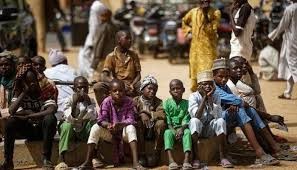
Almost nine in ten Nigerians say the economy has made their lives harder over the past three years. The small minority who may disagree are largely members of the political class and a few businesspeople who have benefited from the reforms. As usual, there is a gap between the government’s self-assessment and the lived reality of ordinary people.
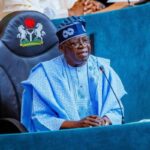
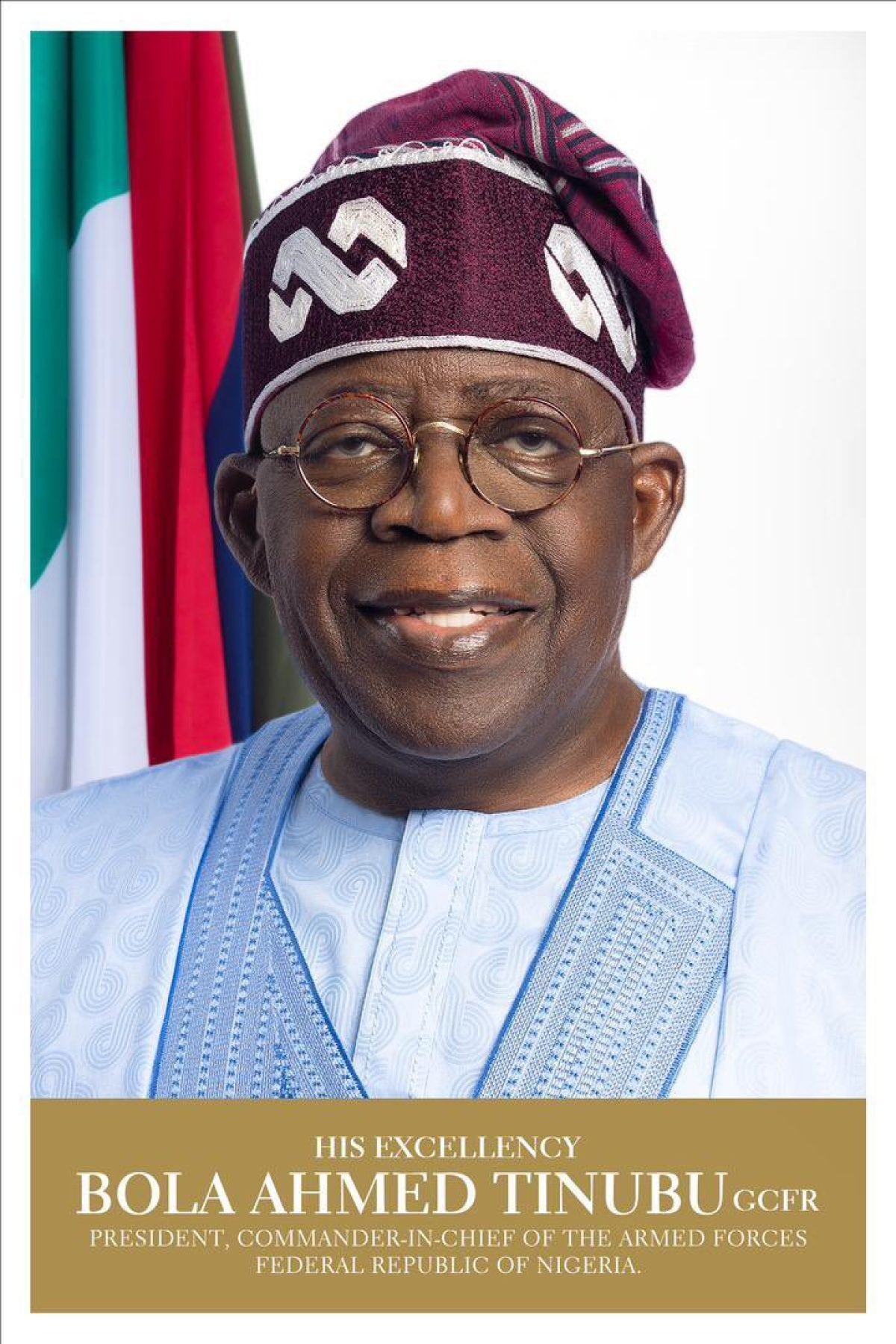
President Bola Tinubu’s economic reforms have highlighted a stark divide between stronger macroeconomic indicators and a deepening cost-of-living crisis. Since taking office, his administration has pursued bold policies aimed at preventing long-term fiscal failure and rebuilding investor confidence. Yet these measures have placed a heavy burden on ordinary households.
This period of hardship began on Tinubu’s inauguration day with the removal of the fuel subsidy. The long-standing petrol subsidy was scrapped to stop the multi-trillion-naira drain on public finances. While the policy made economic sense and could help reduce corruption, it came without meaningful social support for ordinary Nigerians.
Next came exchange rate unification, as the Central Bank of Nigeria adopted a single, market-driven exchange rate system to replace multiple rates and curb arbitrage. While the move has largely improved stability in the foreign exchange market, it has also been linked to the departure of several multinational companies. Although the government says foreign direct investment has increased, the gains remain largely unseen and unfelt by many Nigerians.
On paper, the reforms are delivering results. They have won praise from the Bretton Woods institutions, while rating agencies have upgraded Nigeria’s outlook. Foreign exchange reserves have increased and stabilised, while federal and state revenues have nearly doubled. Non-oil revenue has also reached record levels, surpassing ₦6 trillion in a single quarter. Meanwhile, the debt service-to-revenue ratio fell sharply from 100% in 2022 to below 40%, and the debt-to-GDP ratio declined to about 36.9%.
The Naira suffered a sharp decline, falling from about ₦460 to the dollar in early 2023 to over ₦1,600 before later stabilising. The slump drove up the cost of imported medicine, industrial parts, and food, putting many items out of reach and, in some cases, off the shelves. High borrowing interest rates intended to curb inflation squeezed profit margins for local manufacturers and small businesses. Widespread hyperinflation has forced more than 31 million Nigerians to battle acute hunger and severe poverty.
Saved revenue has been channelled into major infrastructure projects such as the Lagos-Calabar Coastal Highway and the Sokoto-Badagry Superhighway. However, Nigerians have questioned the cost of the Lagos-Calabar project and the lack of transparency in its award to a company linked to the Tinubu family. Contractors on other federal projects have also protested unpaid debts, fuelling suspicions that funds meant for those projects were diverted to finance politically connected mega-projects. Nigerians lament that bridges and superhighways won’t feed the people because there is acute hunger in the land.
The government established credit relief platforms via Credicorp and expanded conditional cash transfers. However, critics argue that these cushioning programmes are a drop in the ocean and are implemented too slowly to match inflation. Rather than lift people out of multidimensional poverty, more Nigerians have sunk deeper into it.
Security Situation as an Albatross
The APC came to power amid widespread concern over insecurity during President Goodluck Jonathan’s administration. The abduction of the Chibok schoolgirls became a defining moment of that period, while parts of northern Nigeria were under Boko Haram’s control. Many Nigerians are disappointed that insecurity has worsened under APC rule and further deteriorated during President Tinubu’s administration. Banditry and terrorism have spread across the country, with many people, including women and schoolchildren, still being held captive in different regions. Insecurity will be one of the major talking points during the campaigns.
What to Expect in the Final Year of the Tenure
In Tinubu’s fourth and final year in office, the administration is expected to focus on easing the hardship caused by the economy as the country heads into an election year. The government will likely look for ways to deliver direct relief, reduce prices across key sectors, and show more visible impact. In transport, import duties on vehicles have already been reduced, and a more aggressive rollout of CNG alternatives and faster completion of infrastructure projects are expected. How much these measures improve the economy could significantly shape the outcome of the 2027 general elections.
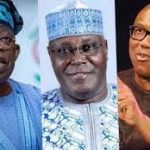
The presidential race is already becoming crowded, with declared and likely candidates positioning themselves to challenge President Tinubu. Their interest reflects a belief that his performance has fallen short. The contest is beginning to resemble the 2023 election, which Tinubu won by a narrow margin. Will President Tinubu and the APC win broader public support in the 2027 election, or has he lost the trust of some of those who backed him four years ago? Only time will tell.