The heads of state and government of the Economic Community of West African States (ECOWAS) have directed the commission to quickly allocate $2,850,000 to each of the five member countries to support counterterrorism initiatives. The beneficiary countries are Nigeria, Benin, Côte d’Ivoire, Ghana, and Togo, all of which are facing varying security challenges. The decision
The heads of state and government of the Economic Community of West African States (ECOWAS) have directed the commission to quickly allocate $2,850,000 to each of the five member countries to support counterterrorism initiatives.
The beneficiary countries are Nigeria, Benin, Côte d’Ivoire, Ghana, and Togo, all of which are facing varying security challenges.
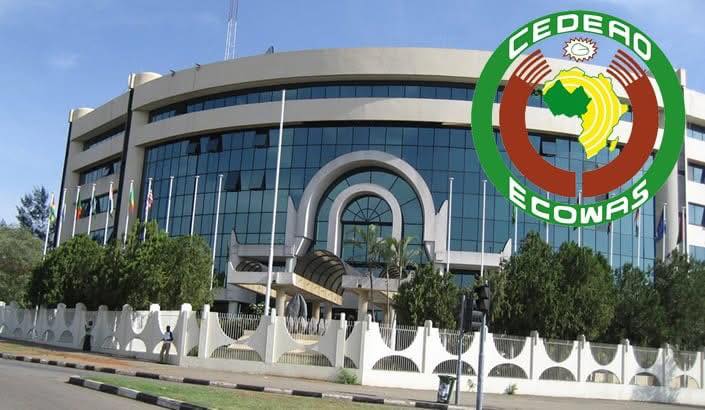
The decision was reached by the ECOWAS during its 68th Ordinary Session, which was held in Abuja, Nigeria.
In a communiqué released at the end of the session, the regional bloc directed the ECOWAS Commission to urgently disburse the funds to the five countries, all of which are grappling with varying but interconnected security threats.
According to the communiqué, the approved funds are to be drawn from the ECOWAS Regional Security Fund, underscoring the bloc’s growing recognition that the worsening security situation in the region requires immediate and coordinated financial and operational responses. The Authority stressed that the intervention forms part of a broader counterterrorism strategy aimed at strengthening national and regional capacities to respond to violent extremism.
In addition to the financial support, ECOWAS leaders ordered the immediate operationalisation of the Regional Counterterrorism Brigade, in line with the funding framework earlier proposed by ECOWAS ministers of finance and ministers of defence.
The $2.85 million allocation to each beneficiary country is expected to support a range of counterterrorism and security-related interventions, including intelligence gathering, border surveillance, logistics, training of security personnel and improved coordination among national security agencies.
Part of the funding is also likely to enhance early-warning systems and information-sharing mechanisms critical to preventing attacks before they occur.
The Authority further directed the Commission to convene, without delay, meetings of the Committee of Chiefs of Intelligence Services and the Committee of Chiefs of Defence Staff to fast-track the activation and deployment of the brigade.
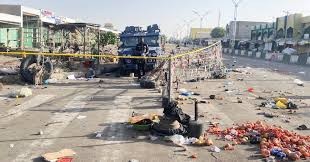
ECOWAS expressed deep concern over what it described as the continued deterioration of security across West Africa, particularly in the Sahel region and the Lake Chad Basin. These areas have witnessed persistent attacks by terrorist organisations, armed insurgent groups and criminal networks involved in banditry, sabotage and mass kidnappings.
The bloc warned that the spillover of insecurity continues to undermine governance, economic activity and social cohesion in affected states.
Also, the Authority disclosed that over six million people across the region have been impacted by mass displacement and severe humanitarian crises, driven largely by violence and instability. It noted that communities continue to face disrupted livelihoods, food insecurity and limited access to education and healthcare as insecurity deepens.
The regional bloc also condemned the abduction of schoolchildren in northern Nigeria, describing such acts as reprehensible and a direct assault on the future of the region. ECOWAS commended President Bola Tinubu for the efforts of the Nigerian government that led to the safe release of the abducted children, noting the importance of swift and decisive leadership in responding to such incidents.
Furthermore, ECOWAS called on the international community, through the African Union (AU) and the United Nations Security Council, to urgently support countries affected by terrorism in West Africa. The Authority emphasised the need for a coherent, coordinated and sustained global response, warning that fragmented interventions would be insufficient to address the scale of the crisis.
The bloc also reaffirmed its commitment to continued engagement with Burkina Faso, Mali and Niger, urging sustained dialogue and cooperation despite political tensions. ECOWAS said strengthening collaboration with these countries remains critical to effectively addressing cross-border security threats and preventing further destabilisation of the region.
At the Abuja summit meeting, President Tinubu, represented by Vice-President Kashim Shettima, called on West African leaders to close ranks against terrorism and the resurgence of unconstitutional changes of government. He warned that the security and democratic challenges confronting the region demand collective action rather than isolated national responses.
According to Tinubu, the external and internal threats facing ECOWAS member states “require nothing less than a united front”, stressing that regional solidarity remains the most effective tool for safeguarding peace, democracy and development in West Africa.