The federal government has revealed that the presidential prerogative of mercy, exercised by President Bola Tinubu and the Council of State last week, is still in the process of being finalised while the list of beneficiaries is reviewed. The government also stated that none of the listed inmates had been released from prison. The Attorney
The federal government has revealed that the presidential prerogative of mercy, exercised by President Bola Tinubu and the Council of State last week, is still in the process of being finalised while the list of beneficiaries is reviewed. The government also stated that none of the listed inmates had been released from prison.
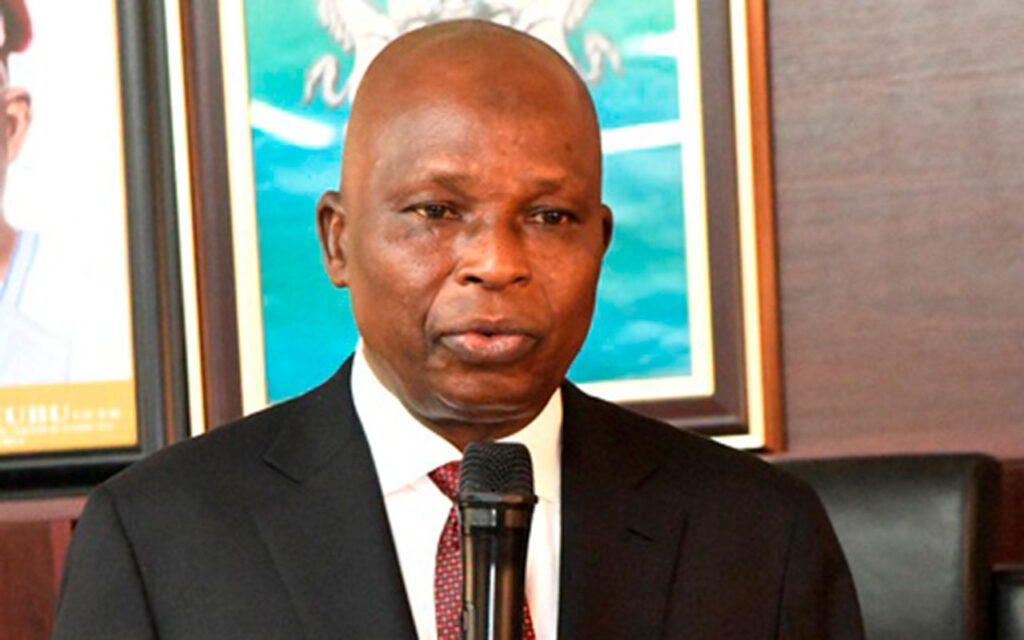
The Attorney General of the Federation and Minister of Justice, Lateef Fagbemi, issued this statement in response to the ongoing controversy surrounding the presidential pardon and other forms of clemency granted to at least 175 Nigerians.
Herbert Macaulay, one of Nigeria’s leading nationalists; Farouk Lawan, a former member of the House of Representatives; and Mamman Vatsa, a major general and poet executed in 1986 for alleged treason, are among the 175 beneficiaries.
Maryam Sanda, who was given a death sentence by hanging for fatally stabbing her husband, Bilyamin Mohammed Bello, was another individual whose name was mentioned in the clemency. Other names on the list include people who have been accused of and sentenced to prison for drug trafficking.
The development has elicited mixed reactions from Nigerians, who have criticised the president for issuing a state pardon to some of the recipients, who they believe have committed serious crimes and should not be granted clemency.
In response to the criticism, the Attorney General of the Federation stated that the government has yet to complete the implementation procedures for clemency, which must be followed to ensure that the recommended listed name meets all legal and procedural requirements before any release document is issued.
Speaking about the procedures that must be followed, the AGF stated that after approval by the Council of State, a decision-making examination will be conducted for the beneficiaries before the final direction is given to the Controller-General of Corrections for necessary action. He also added that the final stage, known as the administrative stage, occurs before informing the public.
“The Office of the Attorney-General of the Federation and Minister of Justice wishes to clarify that no inmate approved for clemency under the recent exercise of the President’s power of prerogative of mercy has been released from custody.
The process remains at the final administrative stage, which includes a standard review to ensure that all names and recommendations fully comply with established legal and procedural requirements before any instrument of release is issued.
and Minister of Justice, Lateef Fagbemi, issued this statement in response to the ongoing controversy surrounding the presidential pardon and other forms of clemency granted to at least 175 Nigerians.
Herbert Macaulay, one of Nigeria’s leading nationalists; Farouk Lawan, a former member of the House of Representatives; and Mamman Vatsa, a major general and poet executed in 1986 for alleged treason, are among the 175 beneficiaries.
Maryam Sanda, who was given a death sentence by hanging for fatally stabbing her husband, Bilyamin Mohammed Bello, was another individual whose name was mentioned in the clemency. Other names on the list include people who have been accused of and sentenced to prison for drug trafficking.
The development has elicited mixed reactions from Nigerians, who have criticised the president for issuing a state pardon to some of the recipients, who they believe have committed serious crimes and should not be granted clemency.
In response to the criticism, the Attorney General of the Federation stated that the government has yet to complete the implementation procedures for clemency, which must be followed to ensure that the recommended listed name meets all legal and procedural requirements before any release document is issued.
Speaking about the procedures that must be followed, the AGF stated that after approval by the Council of State, a decision-making examination will be conducted for the beneficiaries before the final direction is given to the Controller-General of Corrections for necessary action. He also added that the final stage is known as an administrative stage, before they subsequently inform the public.
“It is important to note that the last stage of the exercise, after approval by the Council of State, is the issuance of the instrument for the implementation of the decision concerning each beneficiary. This stage affords an opportunity for a final look at the list for remedial purposes, if any, before the instrument is forwarded to the Controller-General of Corrections for necessary action.
This verification process is part of the standard protocol and reflects the government’s commitment to transparency and due diligence.
“The Honourable Attorney-General of the Federation and Minister of Justice appreciate the public’s vigilance and constructive feedback, which continue to strengthen institutional integrity. Public engagement is always welcome, as it demonstrates that Nigerians care deeply about justice and good governance.
“There is no delay in the process; it is simply following the law to the letter to ensure that only that duly qualified benefit from the President’s mercy. As soon as all legal and procedural checks are concluded, the public will be duly informed. The rule of law does not rush; it ensures fairness.”
Meanwhile, the federal government’s position has sparked further debate among Nigerians, who believe that the review should have been completed before the beneficiaries were granted pardons. Some of them have further criticised the government for negligence and failure to do due diligence on such a sensitive matter in government.
Speaking with Nigeria Democratic Report, Samuel Ogunsona, a programme officer in Network of Journalists on Indigenous Issues (NEJII), said it is negligence and a bad image for the country at the global stage
“It is not what we should be discussing about reviewing at all. A serious country should not be discussing how to release drug barons. This type of action is dangerous for the future of our kids when they see how the government is showing incompetence in handling such a sensitive matter. What lessons are teachers teaching kids? The global communities are watching.”
Atikun Sokoto, an economist, through his X handle, described the development as a lack of coordination within the governing system, stating that the review should have come earlier before the pronouncement.
“Leadership failure at its peak. How can a president publicly announce pardons without even clearing them through the Attorney-General first? It shows there’s no coordination at the top, decisions are being made before due process. What kind of governance is this?”
Prof. Udeh, who expressed a similar reaction, insisted that the development is a misplacement of priorities. “Placing the cart before the horse… why not start riding backwards into the 1960s.”
Chidi Odinkalu also said, “In effect, the list that went to the Council of State was not properly lawyered up? Now they are going to be countermanding the Council of State? Can someone please make it make sense?”
However, some Nigerians have expressed their support for the government for listening to the voice of the people and deciding to review the controversial lists of the beneficiaries of the presidential pardon.
Okechuckwu Okeke opined that if the review would bring the balance to the pardon, it should be welcomed by the citizens. “Process matters. But, in this matter, the result is more important. If those that should remain in prison are not ultimately released, the defect in the process will be counterbalanced by the respect or fear of public opinion — the basis for the AG’s promise to review the list.”