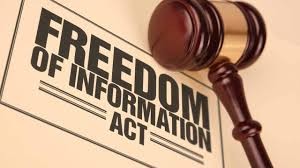
In Nigeria, ongoing issues with transparency and accountability remain major obstacles to good governance. Journalists, civil society groups, and citizens can help promote a more inclusive democracy by making effective use of the Freedom of Information Act (FOI Act). Enacted in 2011, the FOI Act grants Nigerians the right to access public records from government
In Nigeria, ongoing issues with transparency and accountability remain major obstacles to good governance. Journalists, civil society groups, and citizens can help promote a more inclusive democracy by making effective use of the Freedom of Information Act (FOI Act).
Enacted in 2011, the FOI Act grants Nigerians the right to access public records from government bodies and certain private organisations. It supersedes previous secrecy laws and enables citizens, journalists, and CSOs to uncover corruption, monitor public spending, and hold officials accountable.
Even after 15 years and efforts by Media Rights Agenda (MRA) and the International Press Centre (IPC) to educate media practitioners and civil society on using the FOIA, public engagement and scrutiny remain limited due to ineffective implementation.
The MRA Executive Director, Mr Edeatan Ojo in a communique lamented that there has been a limited level of implementation of the FOIA due to a lack of or low public education and inadequate awareness of how to activate the law, as public institutions are using a lack of awareness to resist the Act’s requirements.
In addition to citizens’ limited awareness regarding education, MRA identified that many government agencies continue to operate with insufficient transparency, contrary to the Act’s explicit requirements. These agencies frequently fail to fulfil their proactive disclosure responsibilities, annual reporting obligations, or other duties mandated by the Act, and often do not respond appropriately to requests for information.
Compliance among federal, state, and local governments is weak and inconsistent. Some officials deliberately ignore the law, while others lack understanding of their responsibilities under the Act due to limited collaboration between the media and civil society on FOI issues.
To address these growing problems that militate against democratic development in the country, MRA reemphasised that journalists and civil society must see the Act as a powerful tool that the Media and CSOs can leverage to demand information that they must use in their everyday work.
Moreover, continuous sensitisation and mentorship must be continuously organised for journalists, CSO actors and the citizens to improve understanding and implementation of the Act.
“Further to this, awareness-raising and training activities should also be extended to civil servants and public office holders across the different levels of government to improve their knowledge of the Law, sensitise them to their obligations under the Act and their duty to fully implement and comply with its provisions.
“Media and civil society actors should intensify advocacy for full compliance by public institutions with both the proactive disclosure of information and responsiveness to requests for information pursuant to the provisions of the Act.
Stakeholders should more actively use the administrative and judicial remedies provided in the Act to challenge denials of access to information, delays in responding to requests for information or complying with other obligations under the Act, or other violations of its provisions.
“Media organisations and CSOs as well as individual journalists and civil society actors, should form alliances on different levels and share information, particularly with respect to monitoring compliance with the provisions of the Act, reporting non-compliance, and promoting success stories in the usage of the Act.
“Stakeholders, particularly journalists and civil society actors, should leverage digital technology to track requests, analyze disclosed data, and make information more easily available to members of the public to ensure the full realisation of the purpose of the Act. Further to this, public institutions should also develop and adopt digital tools and platforms that will simplify information requesting procedures and the processing of requests for information,” it recommended.
The organisation also urged the government’s ministries, departments and agencies to demonstrate their respect for the FOIA. In addition, the government must also demonstrate stronger political will by institutionalising transparency initiatives and mechanisms, including appointing dedicated FOI Desk Officers, ensuring regular reporting as required by law, adopting effective procedures for processing requests for information, and sanctioning officials who disregard or otherwise fail to comply with the provisions of the Act