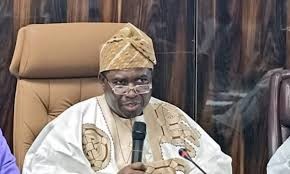



Expectations for New INEC Chairman Prof Joash Amupitan
His screening by the Senators was stimulating, collegial, informative, and educational. There is no reliable method for discerning a person’s intentions simply from their appearance. No...

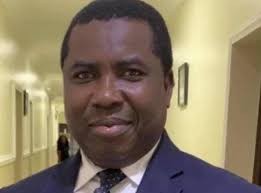
His screening by the Senators was stimulating, collegial, informative, and educational. There is no reliable method for discerning a person’s intentions simply from their appearance. No unexpected findings emerged during the proceedings. The Professor of Law demonstrated comprehensive knowledge and the qualifications required for the role. As with his predecessors, consideration will be given to the legacy he will leave and how history will ultimately evaluate his tenure.
He addressed questions on electoral reforms, logistics, and election administration in Nigeria. Focusing on technology, he plans to increase its use, audit the system, and resolve ambiguities that could impede its full implementation in elections.
He suggested that inadequate communication regarding IREV may have impacted the conduct of the 2023 elections. He noted that many individuals were unaware that vote collation would not occur on the IREV platform, which was intended solely for displaying election results. While he addressed numerous inquiries, several issues remained unaddressed. Notably, only 20 of the 109 Senators posed questions to the new INEC chairman.
Nigerians hold a range of expectations regarding the appointment of the new INEC chairman and have expressed concerns related to trust. The public is keen to understand the specific measures the chairman intends to implement to distinguish his tenure. Upon assuming office, he has committed to conducting an audit of the current system, and stakeholders are interested in learning about the findings of this review.
Demonstrating his expertise as a professor, Joash Amupitan, a professor of law, responded to questions with both academic rigour and a nuanced legal perspective. He addressed the inquiries convincingly. The senators’ remarks regarding the nation’s current electioneering process are also considered both reasonable and valid. Professor Amupitan takes office as INEC chairman amid declining public trust in the credibility of Nigerian elections.
Nigerians need more than mere talk and assurances to forget the nightmare of the 2023 general elections. The general elections in 2023, which were marred by controversies ranging from purported irregularities, technological failure, voter suppression, and insecurity to logistical setbacks, have cast a shadow of doubt and trust deficits among the citizens. These issues were subsequently observed in later off-cycle elections in some states, resulting in reduced voter participation and decreased confidence in the country’s electoral process.
Given the current public perception of INEC as having failed to meet expectations, the new Chairman of the Independent National Electoral Commission (INEC) assumes significant responsibility in rebuilding Nigerians’ confidence in the prospect of credible, transparent, and technology-enabled elections, especially with the 2027 general elections approaching.
In preparation for the 2027 general elections, Professor Joash Amupitan should consider the expectations held by Nigerians. These expectations include the following:
Restore Public Trust in the Electoral Process
A primary expectation among Nigerians for Professor Amupitan, the newly appointed INEC Chairman, is his ability to restore public confidence and trust in the nation’s electoral process. Rebuilding this trust presents a significant challenge, given the existing deficit caused by previous issues such as the malfunction of the result transmission portal (IReV), allegations of electoral malpractice, inconsistencies in the commission’s operations, and perceived political interference.
Nigerians expect the new INEC chairman to address logistical issues in the 2023 elections and demonstrate political independence, neutrality, transparency, and accountability to restore trust in democratic governance.
Advocating for Voter-Focused Electoral Reform
Following the conclusion of the 2023 general elections, numerous stakeholders have advocated for reforms to the electoral system to clarify provisions that are either omitted or ambiguous within the Electoral Act 2022. These unresolved issues have led to increased litigation and exposed various deficiencies within the country’s electoral process.
As a result, civil society organisations and citizens have requested reforms in the electoral system, a process that has begun and is currently under consideration in the National Assembly. In this context, Nigerians are anticipating an INEC chairman who will oversee these reforms and implement them as they are established.
Strengthening the Use of Technology
The introduction of the INEC Result Viewing Portal (IReV) and the Bimodal Voter Accreditation System (BVAS) during the 2023 general election marked significant progress in the digitalisation of the electoral process. During the 2023 elections, technical issues and instances of human involvement affected the implementation of these technologies.
Nigerians anticipate that the new INEC chair will demonstrate a commitment to holding INEC officials accountable for violations, as was done previously when a Returning Officer faced legal consequences and served a sentence for infractions.
Therefore, INEC leadership is expected to clarify the roles of these technologies while also implementing measures to protect them from external threats such as hacking, manipulation, and transmission delays.
Also, the INEC chairman should invest resources in the training of INEC staff on the handling and operations of some of the modern technologies that may be deployed.
Curbing Electoral Violence and Vote Buying
Nigerian elections continue to face challenges such as violence, vote buying, and voter suppression, even after multiple reforms. The new INEC chairman is expected to work closely with the judiciary, civil society organisations, and security agencies to reduce electoral offences.
The INEC chairman should support creating an Electoral Offences Commission, as previously recommended by observers, to address electoral violence.
Youth and Voter Engagement
Nigerians anticipate that the new INEC chairman will introduce innovative strategies to engage both youth and other demographic groups. While the 2023 elections saw significant mobilisation among young people, voter turnout remained unsatisfactory. The public now expects INEC to enhance civic education, streamline the voter registration process, and promote increased participation in future elections.