

Ekiti 2026: CSOs Mobilise Stakeholders for Credible Election at Citizens’ Town Hall
As preparations continue for the Ekiti State off-cycle governorship election scheduled for 20 June 2026, a broad coalition of civil society organisations under the Civil Society Network on Electoral...

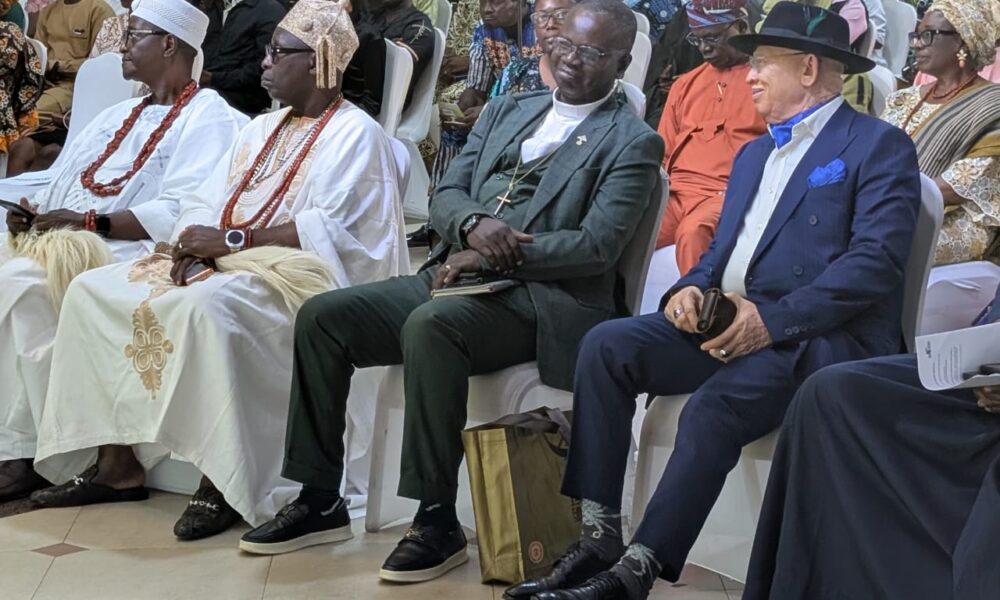
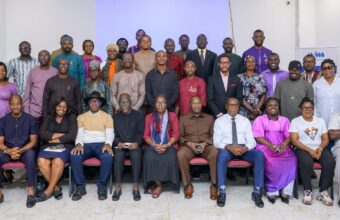
As preparations continue for the Ekiti State off-cycle governorship election scheduled for 20 June 2026, a broad coalition of civil society organisations under the Civil Society Network on Electoral Integrity gathered in Ado-Ekiti on Sunday, 24 May 2026, for a high-level Citizens’ Town Hall Meeting on the conduct of the forthcoming poll.
The Civil Society Network—comprising civic groups, election observers and democracy advocates such as the Kukah Centre, ElectHER, Yiaga Africa, the Nigerian Women Trust Fund, the International Press Centre, the Centre for Media and Society, and TAF Africa—brought together media partners, traditional and religious leaders, and citizens to discuss key electoral concerns, including voter apathy, electoral violence and vote-buying. The meeting also encouraged stronger citizen participation by allowing residents to raise concerns, ask questions and engage directly with key stakeholders ahead of the Ekiti poll.
The town hall meeting, sponsored under the European Union Support to Democratic Governance in Nigeria (EU-SDGN) Phase II, was held at a politically significant moment as parties intensified preparations for the 2026 Ekiti governorship election. The off-cycle poll is attracting national attention because of its importance in Nigeria’s South-West political landscape and its potential to signal what to expect ahead of the 2027 general election. It will also be the first major election conducted by the Independent National Electoral Commission (INEC) under the newly signed Electoral Act 2026.
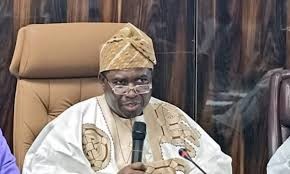
In his welcome remarks, HRM Oba Sir Stephen Adegboyega Alabi (Arubiojo II), the Olosi of Osi Ekiti and Chairman of the Legal Committee of the Ekiti State Council of Traditional Rulers, said Ekiti residents are ready for the election and confident that all stakeholders, including INEC and the security agencies, will discharge their duties in line with the law to ensure a smooth and credible process.
The monarch also called for peace among supporters of the 13 governorship candidates, stressing that there must be no violence or any action that could hinder voters from participating in the election. “We assure you that the election will be peaceful, and we, as traditional leaders, are committed to ensuring that it remains so. All 13 candidates are our children, and so far, we have not heard any call for violence from any of them. We believe our people understand what is expected under the new Electoral Act and have the capacity to act responsibly. The state is ready, and every citizen must also be ready to participate peacefully. We urge INEC and the security agencies to carry out their duties in accordance with the law. Politicians must also focus on issue-based campaigns in the public interest,” he said.
Speaking during the panel session, the INEC Resident Electoral Commissioner in Ekiti State, Dr Bunmi Omoseyindemi, assured citizens that the commission is well prepared for the forthcoming election and has put the necessary logistics in place to deliver a free, fair and credible poll. He said most pre-election procedures have been completed, with only the distribution of sensitive materials and final Election Day arrangements still pending.
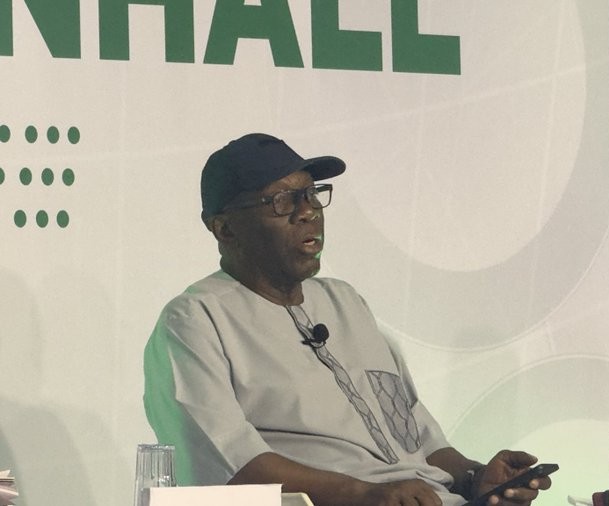 Ekiti State Resident Electoral Commissioner, Dr Bunmi Omoseyindemi
According to the REC, INEC has inspected RAC centres, Super RAC centres and polling units across the state, while training for electoral officers and the recruitment of ad hoc staff and support personnel are ongoing. He added that the commission has also engaged key stakeholders, including CSOs, traditional and religious leaders, women’s groups and others.
The REC also said the voter register has been presented to political parties. He added that Permanent Voter Cards will be distributed at designated centres across the state from 4 to 9 June and at local government offices from 10 to 11 June. He said voter education has also been intensified, noting that only voters with the required identification will be allowed to collect their PVCs.
Speaking further on logistics, Dr Omoseyindemi said INEC has begun distributing non-sensitive materials to local government areas across the state and testing the Bimodal Voter Accreditation System (BVAS). He added that security coordination has been activated, and other logistical arrangements are being finalised ahead of the poll.
Reaffirming the commission’s readiness, the REC said INEC officials will arrive at polling units before 8 a.m., with voting expected to begin by 8:30 a.m. He assured Ekiti residents that the commission would not fail and said it had been engaging road transport workers to ensure polling units open on schedule.
Responding to questions about the integrity of ad hoc staff, Dr Bunmi Omoseyindemi said polling unit supervisors will be deployed across centres to closely monitor election officials on Election Day. He added that vehicles belonging to the Police and FRSC will be inspected and cleared ahead of the election to ensure the timely deployment of personnel and materials, with voting expected to begin as scheduled.
Addressing the threat of false information to the electoral process, Dr Omoseyindemi said the commission has engaged civil society and media organisations to train its staff on handling misinformation. He added that INEC has set up a rapid response team to tackle misinformation and disinformation ahead of the Ekiti governorship election.
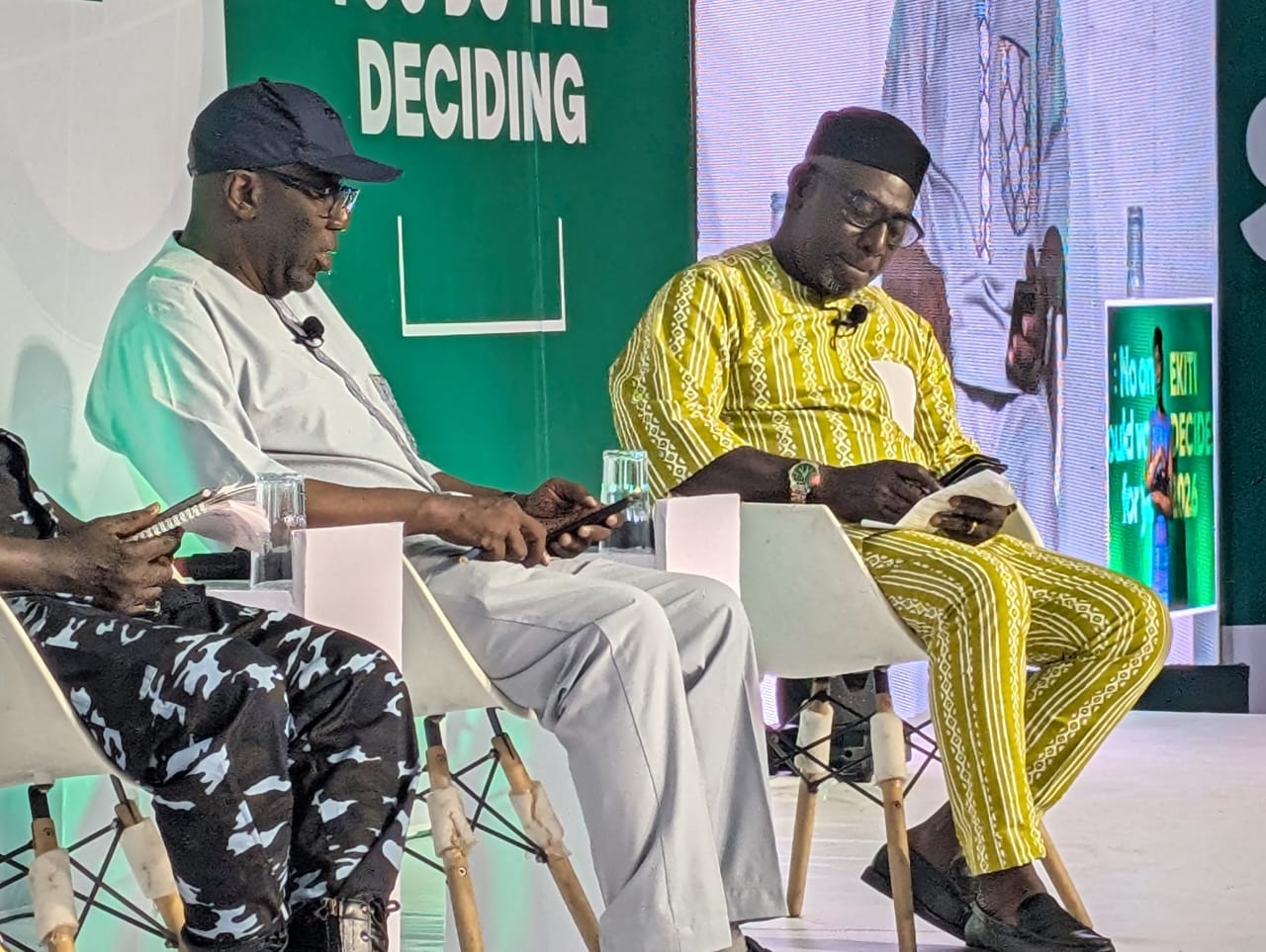 According to the commission, the team will work in real time to identify and debunk fake news that could undermine public confidence in the electoral process. He credited the International Press Centre (IPC) with training INEC staff in fact-checking, noting that misinformation, malinformation and disinformation can trigger serious crises in any electoral environment.
He also said accessibility measures have been put in place for persons with disabilities, who will be given priority at voting stations to enable them to cast their votes. He added that internal monitoring mechanisms have been established to ensure the commission’s plans are fully implemented, while security agencies are being engaged to provide adequate protection for the election.
His words, “Election credibility is a shared responsibility; while the commission will play its constitutional role of impartiality, we will need the support of all stakeholders, citizens, and political actors by launching issue-based campaigns,” he stated.
Addressing security arrangements ahead of the election, Ekiti State Commissioner of Police, CP Michael Falade, assured residents that security agencies are fully prepared to ensure a peaceful poll. He said the Police and other relevant agencies are already working together and expressed confidence that the election will be conducted smoothly.
According to the Commissioner of Police, security agencies have adopted what he described as a “ring strategy” across the state to ensure effective coordination and a rapid response during the election period. He said the approach would make it harder for violence and criminal activity to thrive during the poll.
While declining to reveal full operational details, the Commissioner warned that any attempt to disrupt the electoral process would be swiftly contained, adding that the strategy would make it difficult for offenders to escape.
“Our readiness for this election is no longer in doubt, and we are prepared. Our personnel have undergone different trainings, both internally and externally, to help them understand how to function in our democratic election. All proper arrangements have been made for the logistics of moving from Ado Ekiti to all RAC centres. The method we want to use is a theory circle. It is a form of ring theory; in that circle, we have inner and outer. I will not dwell so much on it because, as we are here, the criminals are also watching, but on that day, they will be unable to escape our team,” he reassured.
The Police Commissioner also stressed that no VIP would be allowed to move with police escorts, as this could intimidate voters at polling units and undermine a level playing field during the election.
Addressing election security and incident reporting, particularly vote-buying, CP Michael Falade said reporting misconduct to police officers at polling units may not always prompt immediate action. He explained that such situations are often complex, and when an officer leaves a polling unit to respond to a complaint elsewhere, more violations may occur in the officer’s absence.
He further noted that agencies responsible for preventing vote trading and vote-buying on Election Day are expected to carry out their duties effectively to curb the practice.
Dr Gbenga Adesuloro, speaking on behalf of the Civil Society Organisations, echoed the police’s view that poverty is a major driver of insecurity. He noted that young people without gainful employment can easily be drawn into electoral violence and other forms of election-related insecurity.
He also called for stronger security intervention to address rising insecurity ahead of the election, particularly in border local government areas. He noted that insecurity in neighbouring states, including Kwara, has led to migration into border communities and heightened tensions as the election draws near.
In their remarks, representatives of religious groups, the National Orientation Agency and citizens stressed that a stronger electoral process depends on active commitment and participation, not mere expectation.
Representing the Muslim community, Imam Aliyu Razaq Kolawole, speaking on behalf of the Chief Imam of Ado-Ekiti, said Islam promotes peace, justice, honesty, accountability and responsible leadership. He urged Ekiti residents to remain peaceful on Election Day, reject violence and uphold peace throughout the electoral process.
“The Islamic religion is a religion of peace; then it allows peace to reign. Islam also teaches us that elections must be based on justice, peace and accountability. Then electoral malpractices like bribery and violence, and we hereby appeal to our people to come out and vote, not to fight or create violence.
Also speaking, Chairman of the Christian Association of Nigeria, Rev. Dr Emmanuel Aribasoye urged citizens to exercise their civic rights, noting that Christians no longer see politics as a “dirty game.” He said churches now encourage members not only to vote, but also to participate actively and contest elective positions.
“So we are using this medium to tell people to vote because if you do not and a candidate you don’t want emerges, it is your fault. We also use this medium to tell our youths that no one’s blood is worth anybody’s ambition. Elections will come and go; there must not be violence. Elections will come and go, those who will win will win, but no life is worth losing because of elections.”
Overall, citizens also offered views on how credible elections can be strengthened beyond the efforts of electoral institutions alone, urging the authorities to ensure the off-cycle poll is well coordinated. Some participants also stressed the need for sustained voter education and public awareness campaigns, particularly for youths and first-time voters, to encourage informed participation and reduce vulnerability to misinformation and political manipulation.