



Fact Check: Viral Flooded Road Video Is Not From Lagos, Despite Flooding in the State
Claim: The video allegedly shows a flooding situation in Lagos State. Verdict: False. Full Story A widely shared social media video shows a severely flooded road, with vehicles nearly submerged and...


Claim:
The video allegedly shows a flooding situation in Lagos State.
Verdict: False.
Full Story
A widely shared social media video shows a severely flooded road, with vehicles nearly submerged and people struggling through rising water. The caption claims the footage shows the current flooding in Lagos State and presents it as evidence of the impact of recent heavy rainfall across the city.
On the 13th of July 2026, X user @iamscrummy_ posted the video in a tweet archived here with the caption “Situation Report: Lekki, Lagos.
 A screenshot of the post
Comments under the post expressed disappointment and fear.
A comment reads “Everybody still working within the current situation – what is President Tinubu doing about this?”
Another says, “Is it until flood wipes everyone away in Lekki?”
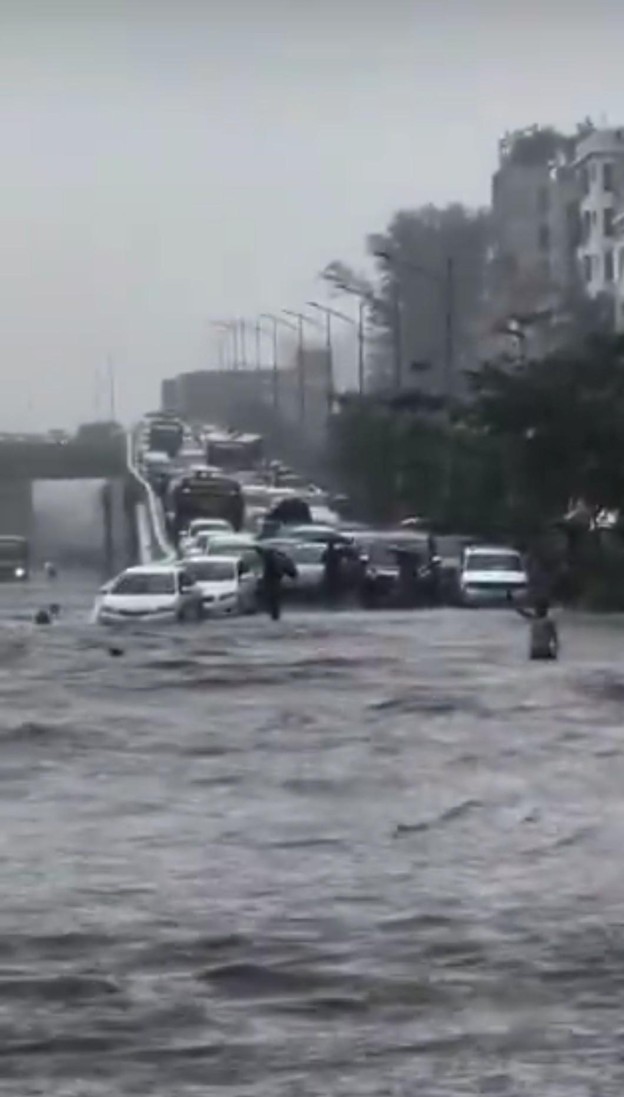 A screenshot from the video
The claim has since spread widely, with more than 700,000 views, over 2,000 likes and more than 800 reposts. It circulated amid reports of flooding across parts of Lagos, with some social media users linking the situation to the construction of the Lagos Coastal Road.
Although Lagos is currently experiencing flooding after heavy rainfall, the viral video was not recorded in the state.
Findings indicate that the footage originated in Bangladesh and was falsely presented as a recent scene from Lagos. A reverse image search and comparison with earlier published material confirm that the video is from Bangladesh, not Nigeria.
The footage matches scenes of flooding in Bangladesh, where prolonged rainfall and overflowing rivers left millions affected. It shows severe waterlogging on a main road in Dhaka after heavy downpours, with several cars submerged in waist-deep water and traffic badly disrupted.
According to media reports, at least 44 people have died while well over one million others have been stranded after days of heavy monsoon rains triggered floods and landslides in southeastern Bangladesh.
The video was first uploaded on the Internet on the 12th of July 2026, following a reported four hours of heavy downpour in the city.
Recent heavy rainfall has flooded roads and disrupted movement across parts of Lagos. Residents have shared authentic images and videos from areas including Lekki, Victoria Island and Gbagada, while debate has grown over drainage infrastructure and whether ongoing coastal road projects may have worsened the flooding.
Lagos’ flooding problems are often linked to governance failures, including allegations that buildings are constructed on drainage channels. Residents are also accused of worsening the problem by dumping waste into canals and neighbourhood gutters.
Some drainage problems in the Lekki area have been linked to the recent construction of the Lagos-Calabar Coastal Road project, which some critics say lacked a thorough Environmental Impact Assessment to anticipate potential flooding risks.
However, the viral clip has no verified link to Lagos State. While flooding in Lagos is real, this video misrepresents the situation by using footage from another country instead of authentic local visuals.
This is a common form of misinformation known as false context. In such cases, genuine images or videos are paired with misleading captions that change where, when or why an event occurred. The visual itself may be authentic, but the accompanying narrative is false.
The timing of this misinformation is especially important. Flood-related content often spreads widely because it triggers strong reactions, and during emergencies, people may share dramatic footage without checking its source, allowing unrelated videos to circulate quickly.
The Lagos State Government has also warned against the circulation of misleading flood videos. State authorities have disputed claims attached to some viral footage and cautioned that false representations can create unnecessary panic and misinform the public about the scale and location of flooding.
Repeatedly sharing mislabeled videos erodes public trust. When real flood images mix with unrelated foreign footage, people may begin to doubt legitimate reports and official advisories.
For these reasons, it is important to verify both a video’s authenticity and whether it was recorded in the claimed place and time.
Conclusion
The claim that the viral video shows recent flooding in Lagos is false. Although flooding in Lagos is real, using unrelated footage from another country misleads the public and weakens access to reliable information during emergencies.