Despite the Independent National Electoral Commission lifting the ban on political campaigns for the Federal Capital T Area Council elections, residents in Abuja are still unaware of the candidates and the upcoming elections, highlighting a political disconnect and potential voter apathy. Three weeks after INEC lifted the ban on political campaigns for upcoming FCT Area
Despite the Independent National Electoral Commission lifting the ban on political campaigns for the Federal Capital T Area Council elections, residents in Abuja are still unaware of the candidates and the upcoming elections, highlighting a political disconnect and potential voter apathy.
Three weeks after INEC lifted the ban on political campaigns for upcoming FCT Area Council elections, many Abuja residents report they have not yet seen or identified candidates running for chairmanship and councillor positions in their communities.
Sixteen political parties are participating in the FCT Area Councils’ Chairmanship and Councillorship elections across the six Area Councils: Abaji, Bwari, Gwagwalada, Kuje, Kwali, and Abuja Municipal Area Council (AMAC).
However, observers note that political activities have been relatively quiet, leading to concerns about potential voter apathy and a possible disconnect between politicians and local communities.
Campaigns Permitted, Yet Silence Remains
INEC lifted the ban on campaign activities on September 24, 2025, allowing parties and candidates to hold rallies and voter events ahead of the February 2025 Area Council elections.
In some communities within the FCT area councils, there are no visible posters, campaign rallies, community visits, or voter outreach activities. Many residents are not aware of the events taking place around them.
For example, Mrs. Jummai Sule, a trader at Karu market under the Abuja Municipal Area Council (AMAC), stated that she is not aware of an upcoming election. She does not have a Permanent Voters Card (PVC) and is not familiar with any candidates contesting for political positions in her area.
“There have been no visible campaigns observed in the area. Previously, posters were occasionally displayed, and some youths would visit the market to encourage us to vote for their candidates. I was not aware that an election was scheduled in the FCT. The only election widely known is the major one, as it receives significant public attention.”
“Usually, politicians would be out greeting people and handing out posters by now, but it’s quiet this time,” said Mrs Jummai Sule.
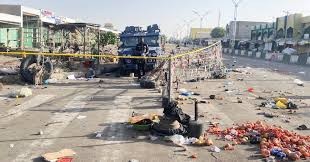
A motor park union executive member at Utako Motor Park, Mr. Abdul Musa, stated that while some campaigns have commenced, they have not started in their location. He noted that some candidates have promoted their campaigns on radio, but posters outlining their values and positions have not yet appeared.
(Image of Utako Motor Park)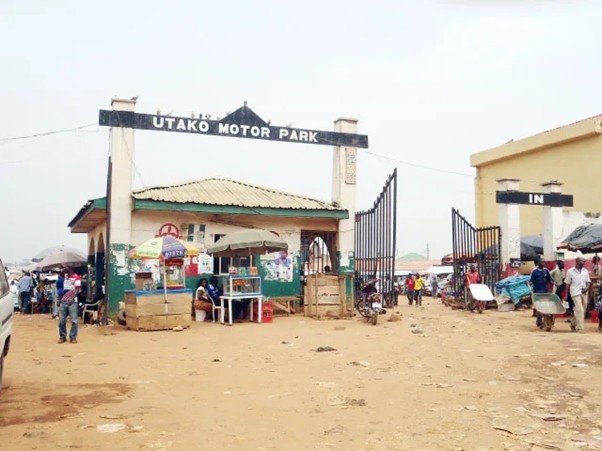
“We only hear about the election on the radio, but nobody has come here to talk to us. If you ask people who are contesting, most don’t even know. As a union, we are still expecting them because they will still come to us and discuss what they want to do and as members of the public”.
Mary John, a teacher in the Bwari Area Council, said the silence is not surprising to her. “After the last election, we never saw our councillor again. Even now, as campaigns are supposed to start, people are not interested. They don’t believe their votes matter anymore.”
Abdullahi Musa, a youth leader in Abaji, said, “It’s not just about campaigns, after the last election, we never see our councillor, even when they win. No one comes to explain projects or budgets to us. It’s like we don’t have a government here.”
“If they want people to vote, they should start by showing up,” added Grace Obi, a resident of Lugbe under AMAC. “How can we vote for people we’ve never seen?”
Abdulrahman Ishau and his colleagues sell barbecue in Garki market. They explained in their local dialect that they have no idea whether they will be voting because they know nothing about the election, as they have no voter’s card.
(Image of Abdulrahman Ishau)
INEC Lifts Ban on Political Campaigns
In September, the Independent National Electoral Commission (INEC) announced that candidates can proceed with electoral campaigns ahead of the February 21, 2026, elections, and ensure they abide by the rules guiding the campaigns.
According the National Commissioner and Chairman, Information and Voter Education Committee, Sam Olumekun, he said “ In line with the provision of Section 94(1) of the Electoral Act 2022 and item 8 of the timetable and schedule of activities, political parties participating in the 2026 Federal Capital Territory (FCT) Area Council election are now at liberty to start their electioneering campaigns in public from Wednesday 24th September 2025 and end at midnight on Thursday 19th February 2026.
“As enshrined in Sections 92 and 93 of the Electoral Act 2022, the Commission wishes to remind Political Parties, candidates and their supporters that it is unlawful to use abusive language, carry out physical attacks on opponents during rallies, processions and meetings or destroy their campaign materials,” he said.
Expert Warns Against Political Disconnect and Public Apathy
The FCT’s six Area Councils make up Nigeria’s most unique local governance system, directly administered under the Federal Capital Territory Administration (FCTA) but functioning through elected local officials. Yet, despite this structure, residents often complain of poor visibility and weak accountability from their local representatives.
Dr Anikwe Anne, a governance analyst, says the lack of early campaign activity reveals deeper cracks in Nigeria’s local democratic system.
“The truth is that the local government system in the FCT has been hollowed out by political disinterest; many councillors and chairmen remain invisible once elected. So now, when campaigns should be happening, citizens cannot even identify who wants to lead them next.”
She added that the problem extends beyond politics, warning that the persistent disconnect between citizens and their leaders is breeding disillusionment that could depress voter turnout.
Mr. Adeolu Adejare, a political analyst, believes that unless parties act fast, the February polls could mirror the dismal turnout of previous years, weakening the legitimacy of local governance in Nigeria’s capital.
“Local government elections should be the heartbeat of democracy because they are closest to the people, but when politicians remain invisible and citizens stay silent, democracy becomes an empty ritual. Since the ban had been lifted, we expect that there should be a mass campaign from the contestants”
“The effect of this is that as the campaign window continues, the absence of visible engagement leaves many Abuja residents wondering whether those seeking office truly understand the meaning of representation or whether the grassroots have once again been forgotten.”