




Tinubu Urges States to Accelerate CNG, Electric Transport Projects Before October 1
With the October 1 deadline approaching for expanding compressed natural gas and electric transport schemes, President Bola Ahmed Tinubu has urged state governments to speed up the projects to help...

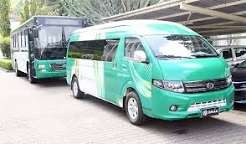
With the October 1 deadline approaching for expanding compressed natural gas and electric transport schemes, President Bola Ahmed Tinubu has urged state governments to speed up the projects to help lower commuting costs for Nigerians.
In a statement on Saturday, President Tinubu said the Federal Government and the 36 state governors had set October 1 as the target date for more Nigerians to see measurable reductions in transport costs.
The push follows the recent rise in petroleum costs after the removal of the petrol subsidy, which sharply increased fuel prices, transport fares and the broader cost-of-living burden.
At an August 27 meeting with All Progressives Congress governors, the President also endorsed the National Affordable CNG Transit Programme, which aims to use the lower operating costs of CNG and electric vehicles to reduce fares.
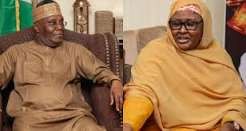
Since campaigns for the 2027 general elections began, some presidential candidates, including Atiku Abubakar of the African Democratic Congress (ADC), have promised to restore the fuel subsidy, pointing to the hardship its removal has caused Nigerians.
In response, President Tinubu said an implementation committee had been established under the auspices of the Nigeria Governors’ Forum, chaired by Kwara State Governor AbdulRahman AbdulRazaq.
The committee is working with the Presidential Initiative on CNG and Electric Vehicles (PI-CNG & EV), state governments, and other stakeholders to identify priority transport corridors and determine the interventions required.
The President said the urgency had increased amid renewed global energy-market pressures on petrol and diesel prices.
“Disruptions to global energy supplies are once again pressuring petrol and diesel prices and increasing transportation costs worldwide,” Tinubu said.
Nigeria, he argued, could reduce its exposure to such external shocks by making greater use of its domestic gas resources.
The administration has made CNG a key response to the transport pressures caused by petrol subsidy removal. At the August 27 meeting, Tinubu said CNG-powered vehicles can run at far lower fuel costs than petrol vehicles and urged operators to pass those savings to commuters through reduced fares.
Since then, states have begun expanding CNG and electric transport schemes, although the scale and timing of implementation vary from state to state.
In his latest statement, Tinubu cited several examples. He said CNG and electric public transport services in Borno were carrying passengers for ₦50 to ₦100 on routes where commercial operators charge ₦300 to ₦600.
In Kaduna, 100 CNG buses are providing free transportation on major routes. The President said the buses carried about 3.2 million passengers during their first year and generated more than ₦3.5 billion in claimed savings for commuters.
In Oyo, Tinubu said Pacesetter Transport’s CNG buses cut the Lagos–Ibadan fare from about ₦8,000 to ₦3,200 during the initial rollout.
He also cited reductions in Adamawa, Enugu, Plateau, Niger and on several Abuja commuter routes where CNG-converted commercial vehicles are operating.
“These are not projections. Nigerians are already experiencing these savings,” the President said.
The Federal Government says more than 120,000 vehicles have now been converted to CNG, alongside more than 400 certified conversion centres and over 90 CNG refueling stations nationwide. The Presidential Initiative on CNG and Electric Vehicles has also said more than 100,000 additional conversion kits are in the pipeline.
Tinubu called on governors to work with transport unions and commercial operators, support vehicle conversions and fleet deployment, and facilitate the infrastructure needed for the programme.
He also urged states to ensure that the savings generated by cheaper energy are reflected directly in the fares paid by passengers. The President rejected calls to return to the former petrol subsidy system, arguing it had consumed trillions of naira and left Nigeria vulnerable to shifts in international oil prices.
Instead, he called for faster expansion of what he described as cheaper domestic alternatives.
Several states are already expanding their programmes. Tinubu said Edo has 50 CNG buses in active service, Kano has converted more than 1,000 commercial vehicles, while Delta, Kwara and Lagos are expanding CNG-supported transport services. He added that Akwa Ibom has taken delivery of 50 CNG buses ahead of commercial operations.
The President said the Federal Government would continue supporting CNG infrastructure, conversion capacity and participation by transport operators, manufacturers and private investors.
With the October 1 target drawing closer, the focus is now shifting from commitments made at the August meeting to whether states and transport operators can deliver tangible reductions in fares for commuters.
“Above all, ensure that savings from cheaper energy reach Nigerian citizens through lower fares,” Tinubu said.







No Comment! Be the first one.