Ahead of the 2027 general election, former Vice-President Atiku Abubakar has formally joined the African Democratic Congress (ADC) at Jada ward 1 in Adamawa state, marking a notable shift in Nigeria’s opposition politics. Atiku announced on Monday via his X account, sharing a photo in which he displays his ADC membership card along with the
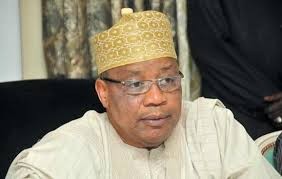
Ahead of the 2027 general election, former Vice-President Atiku Abubakar has formally joined the African Democratic Congress (ADC) at Jada ward 1 in Adamawa state, marking a notable shift in Nigeria’s opposition politics.
Atiku announced on Monday via his X account, sharing a photo in which he displays his ADC membership card along with the short caption, “It’s official.” His supporters indicate that Atiku is still expected to hold formal declaration ceremonies.
 The Former Vice President and 2023 presidential candidate of the Peoples Democratic Party (PDP) has officially completed his transition to the African Democratic Congress (ADC). There were indications that the move to ADC would be completed soon. He shared this indication with his supporters and ADC stakeholders over the weekend. Upon his arrival in the town, he was welcomed by enthusiastic supporters who greeted him with music, chants, and placards bearing his image.
About a week ago, Atiku Abubakar’s former campaign office transformed into the new national secretariat of the ADC and was commissioned with fanfare.
In July, Atiku resigned from the PDP, citing irreconcilable differences with the party’s principles, and called the decision “heartbreaking” after years of service.
Before resigning, Atiku and other opposition leaders agreed to support the African Democratic Congress (ADC) as their new party to compete against the All Progressives Congress and President Bola Tinubu in the 2027 presidential election.
Among the coalition leaders are Rotimi Amaechi, a former minister of transportation; Peter Obi, Labour Party (LP) presidential candidate in 2023; Nasir el-Rufai, former Kaduna governor; John Oyegun, former chairman of the All Progressives Congress; former minister of Interior Rauf Aregbesola, and former Minister of Sports, Bolaji Abdullahi.
Others include Uche Secundus, former PDP national chairman; Sam Egwu, former governor of Ebonyi State; Aminu Tambuwal, former governor of Sokoto State; and Liyel Imoke, former governor of Cross River State.
In their statement of adoption, then, the coalition said it was set to rescue the country from collapse and rebuild its democracy, especially as there was a mass defection from opposition parties to the ruling party.
Former Senate President, who was also chosen as the ADC chairman, Senator David Mark. “Let it be known to all that this coalition of national political opposition groups goes beyond gaining political power. It is a concerted effort to rebuild the crumbling pillars of Nigeria’s democracy.
“The mission is clear: Rescue Nigeria. Rebuild Nigeria. Return power to the people.”
Despite his adoption of ADC and resignation from PDP, the former Vice President and some of his political allies had refrained from formally joining the party. Also, Atiku had been absent from some of the public functions of the party since its adoption as the opposition front, raising speculation of his non-commitment to the party.
For instance, the former presidential candidate and others did not attend the unveiling of the ADC National Secretariat in the Wuse area of Abuja.
However, Atiku’s decision to officially register with the ADC was a significant step towards bringing opposition forces together under a single banner. Political pundits suggest that his affiliation could strengthen the ADC’s visibility and organisational capacity as the electoral cycle approaches.
Apart from the visibility his decision can give to ADC, political pundits have also observed that Atiku’s experience, profile and track record in the presidential race in the past and his joining ADC could give the party greater legitimacy and electoral weight.
This development has the potential to give the APC a run for its money in the 2027 general election, as a unified ADC with major names, such as some political bigwigs, could consolidate votes against it.
However, the main obstacle facing ADC has been its weakness and lack of a national organisational reach, as evidenced by the recent national elections in which the party was unable to field candidates for important positions.
Another common opinion among political pundits is that Atiku’s ambitions may be overshadowing those of other leaders, casting doubt on other potential candidates.