A technical meeting by stakeholders on the 14-year-old Freedom of Information Act, convened by the International Press Centre, co-implementing partner of component 4 (Support to media) of the European Union Support to Democratic Governance in Nigeria Phase 2 (EU-SDGN11), has highlighted aspects of the Act that require legislative amendments. Mr. Lanre Arogundade, the Executive Director
A technical meeting by stakeholders on the 14-year-old Freedom of Information Act, convened by the International Press Centre, co-implementing partner of component 4 (Support to media) of the European Union Support to Democratic Governance in Nigeria Phase 2 (EU-SDGN11), has highlighted aspects of the Act that require legislative amendments.
Mr. Lanre Arogundade, the Executive Director of the International Press Centre, welcomed participants to the meeting and outlined the reasons for the necessity of the stakeholders’ meeting.“We should not shy away from measures, policies, and legislative reforms that can uphold the inviolability of that right, knowing especially that political office holders would rather withhold information than make it easily available.
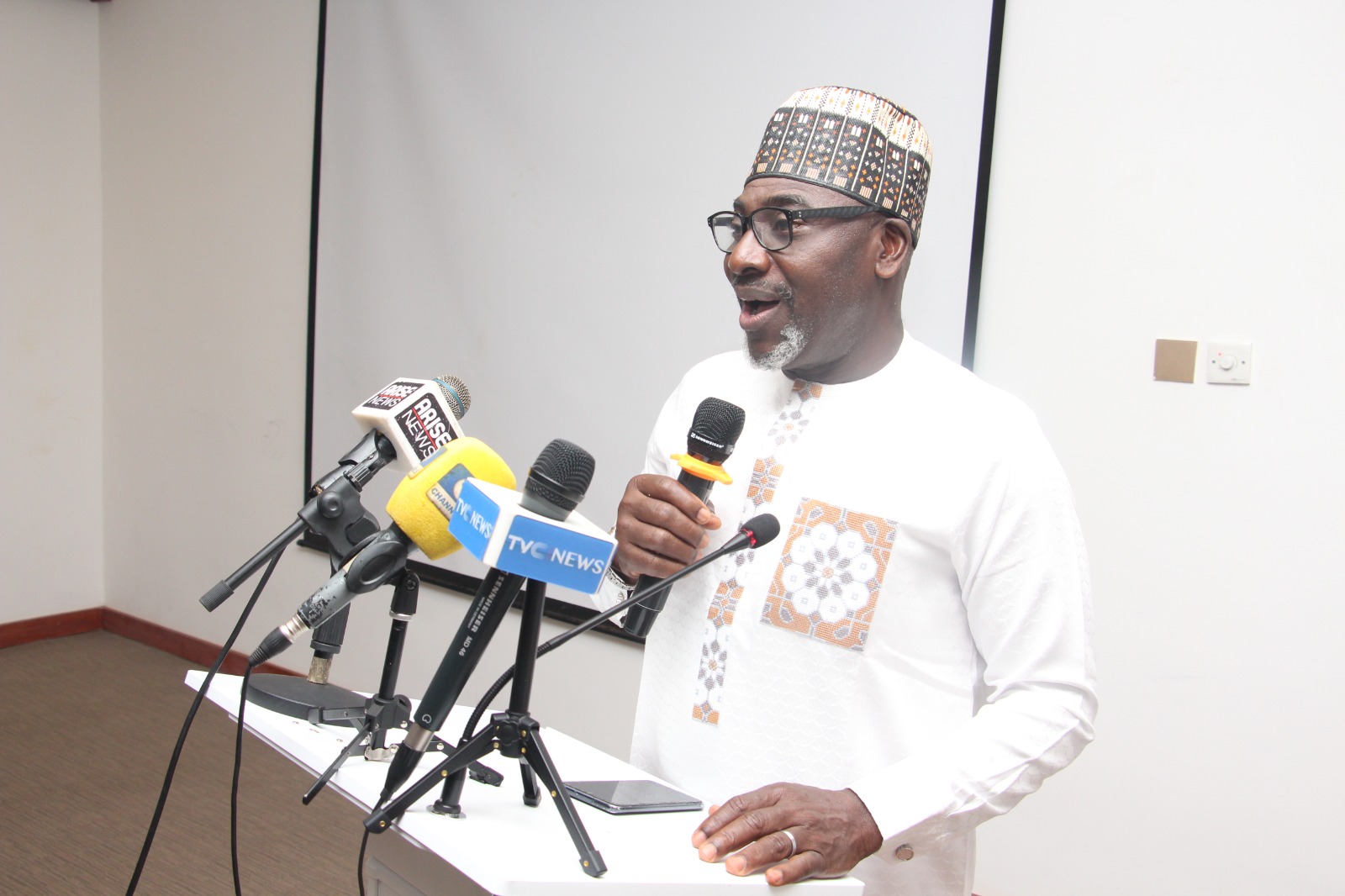 Mr Lanre Arogundade, ED IPC
He said it is essential to update reporting and compliance standards for greater effectiveness and to review the Act’s sanctions on public officials who deliberately withhold information or damage records to ensure they are sufficient and can be strengthened if necessary, since they are usually more driven by personal interest instead of the public interest.
“There is the imperative of overhauling the prevailing reporting and compliance standards to make them more effective, and there is a need to revisit the regime of sanctions in the Act over a range of infringements by public officials dealing with deliberate non-disclosure of information and/ordamage to public records to examine how adequate they are and how they could be strengthened if deemed inadequate or ineffective.
The fourth consideration involves determining whether new provisions could be introduced into the Act to ensure that MDAs have sufficient resources allocated through the budgeting process. This would cover the full scope of their obligations, including, but not limited to, the mandatory capacity building required under section 13.
“The fifth is that the Supreme Court has now held that the FOI Act applies to all levels of government and therefore does not need to be “domesticated” before the right of access can be accorded citizens, as some state governments had hitherto maintained. Sixth is that it is far better for us to engage with the amendment process now to avoid playing catch-up should the amendment processes go on anyway, and we are confronted by a law that weakens the right of access to information as against one that strengthens it.”
He expressed appreciation to EU-SDGN II partners, Policy and Legal Advocacy Centre (PLAC) and YIAGA Africa, whose commitment has been key to the review initiative.
In a goodwill message, the Executive Director of Policy and Legal Advocacy Centre (PLAC), Mr. Clement Nwankwo, said he was pleased to partner with the IPC on the technical session on the proposed amendments to Nigeria’s Freedom of Information (FOI) Act. “We are particularly glad to be partnering with the International Press Centre (IPC) on this initiative under the Legislature and Judiciary Cluster of the European Union’s Support to Democratic Governance in Nigeria (EU-SDGN) Programme, Phase II.”
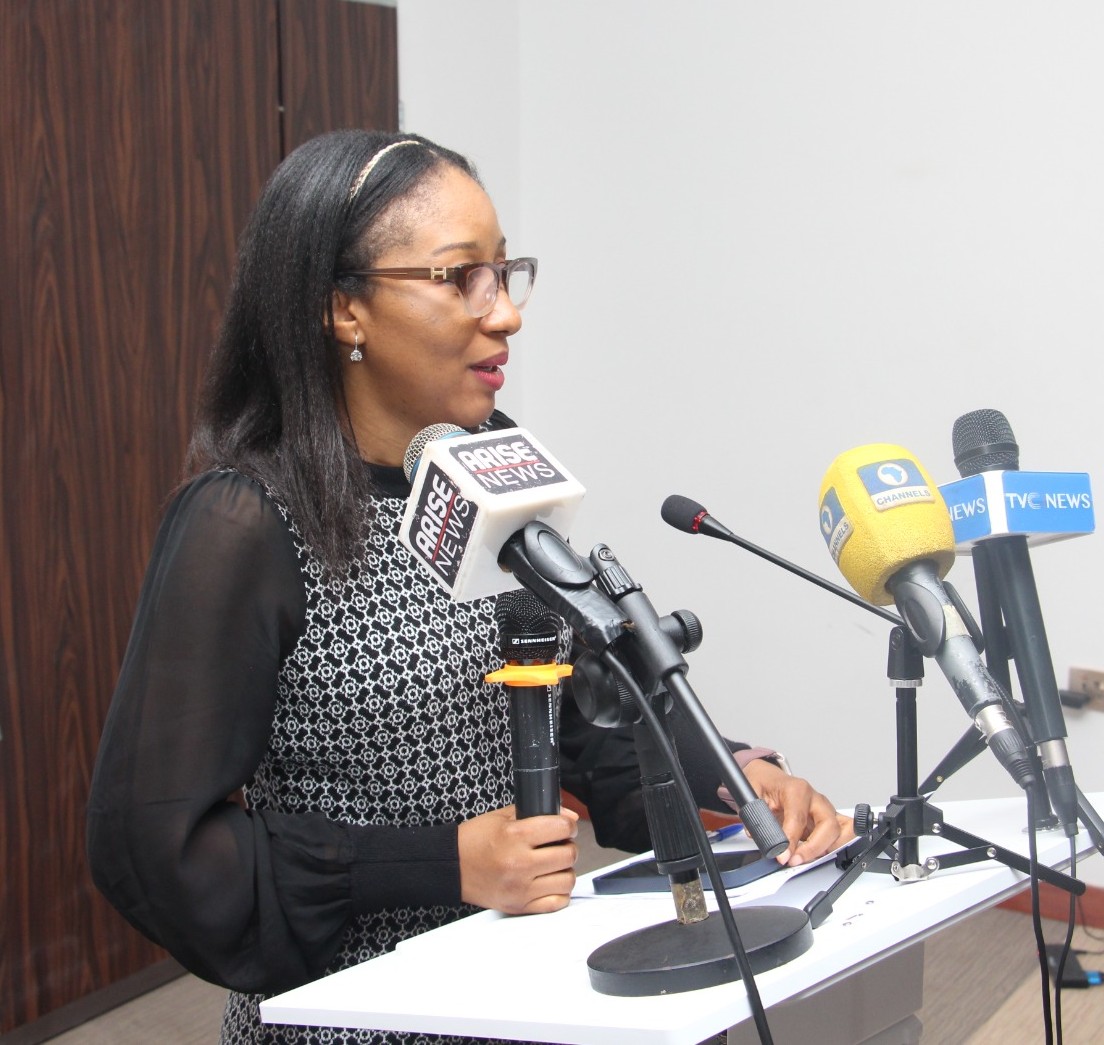 Ms Nkiru Uzodi, Programme Manager PLAC
Represented by Ms Nkiru Uzodi, PLAC urged that the proposed FOI Act amendments should address key issues without dropping the ball on the basic principles of maintaining the FOI Act’s transparency and upholding citizens’ right to information; improve enforcement by empowering oversight, clarifying sanctions, and holding institutions accountable; and involve all stakeholders—civil society, media, legal experts, and government—in shaping reforms.
In his remarks, Dr. Akin Akingbulu, the Executive Director of the Centre for Media and Society (CEMESO), one of the co-implementing partners on Component 4—Support to Media—of the European Union Support to Democratic Governance in Nigeria (EU-SDGN II) programme, noted that “14 years after, many public institutions act as though the FOI Act is a favour they can withhold, not a duty they are bound to fulfil. Today, we are here because we must confront a reality: the implementation and enforcement of the FOI Act is faltering, and the growing calls for its amendment—whether in good or questionable faith—make it urgent that we set things right.
 Dr. Akin Akingbulu, ED CEMESO
He said that the technical session directly contributes to promoting effective use of the FOI law by ensuring it works in practice, not just in letter but in spirit. And to do that, we must address a few burning questions.
• Why are so many ministries, departments, and agencies silent when FOI requests arrive?
• Why has no public institution been sanctioned for violating the law?
• Why are citizens still forced to go to court for basic budgetary or project information?
• Why do some state governments still behave as though the FOI Act does not apply to them—even after the Supreme Court has ruled otherwise?
Mr. Godwin Garuba, a representative from the Attorney General’s office, stated that the government will carefully consider all concerns presented and arrange a meeting with relevant governmental stakeholders before issuing an official response. He acknowledged that the Act is not without flaws and suggested that, instead of attributing all shortcomings of the FOIA to the institutions, the meeting should also consider the challenges faced by these institutions, especially their limited resources.
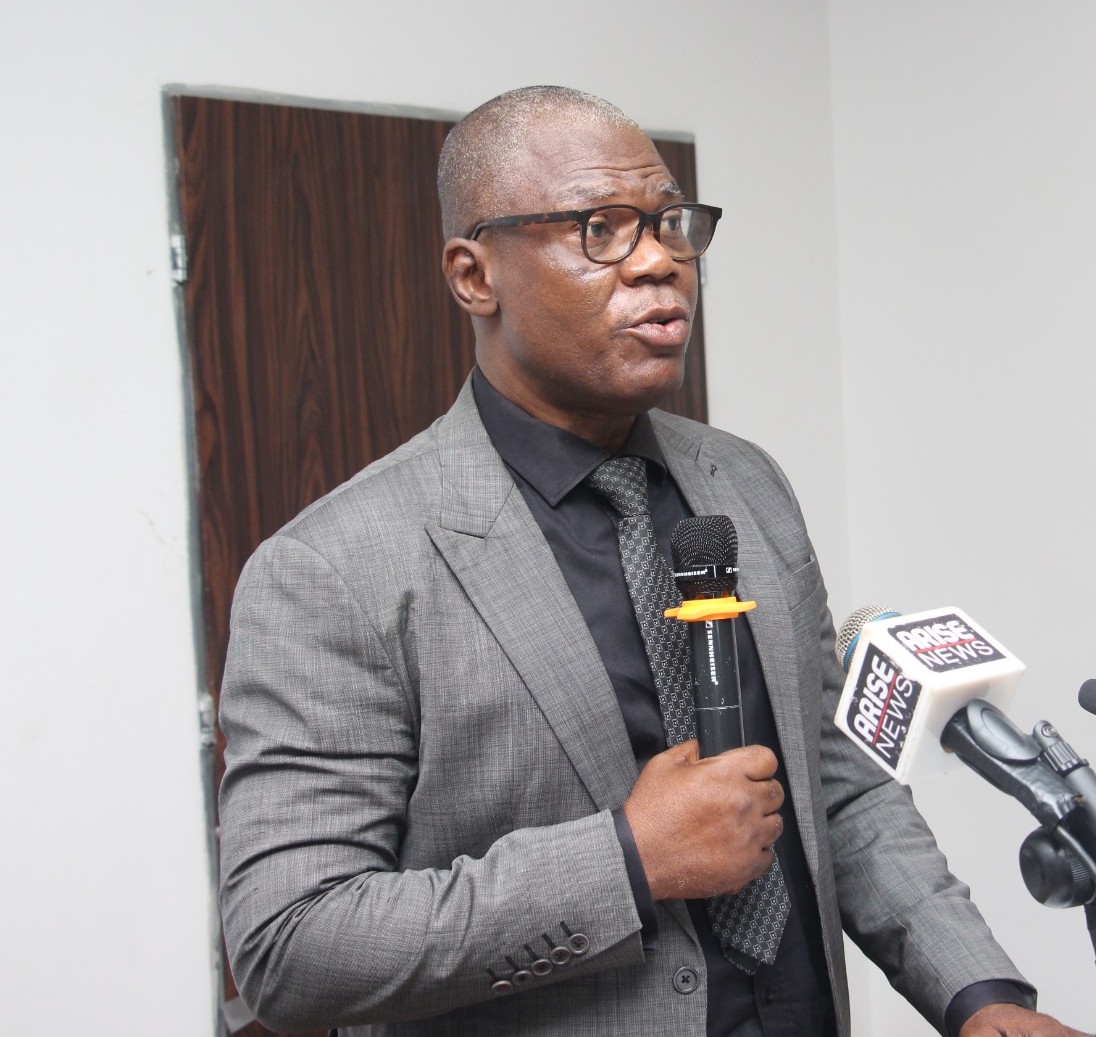 Mr Godwin Haruna, Federal Ministry of Justice
He reported yearly progress on the Act’s implementation, stating that 300 public institutions participated in the FOIA in 2024. He supported listing non-compliant institutions, suggesting it could improve FOIA response rates.
Identifying gaps in In a paper, Mr. Edetaen Ojo, the Executive Director of Media Rights Agenda, noted reporting obligation gaps and compliance issues. He claimed that some institutions don’t submit reports, and those that do don’t do so on time.
He said since its inception, less than 10 percent of public institutions have complied with the law, but there was a slight improvement in 2024. He said most of the reports do not meet the expectations of the law. He said, “It should be mandatory for the Attorney General’s report to include the non-complying institutions and make recommendations for their sanction.”
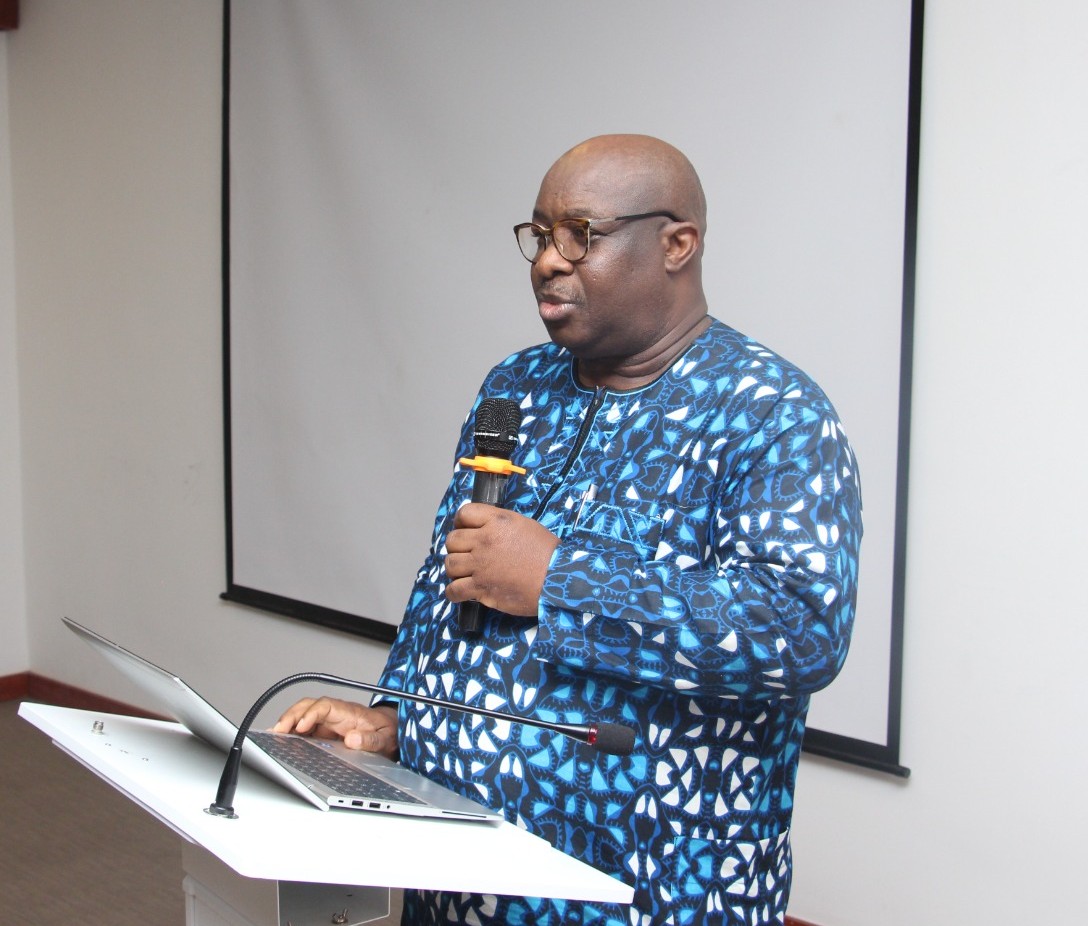 Mr Edetaen Ojo, ED MRA
Mr. Ojo said the Attorney General should ensure that all the institutions to which the Act refers comply, and the defaulting ones should be taken to the Court, where orders will be issued for their compliance.
He wants the Act to be strengthened to allow for the collation of data on FOIA users and defaulting institutions but doubts if the office of the Attorney General can carry out all the roles expected of it under the law. He also recommended administrative procedures to ensure compliance with institutions instead of criminalising every infraction of the law.