



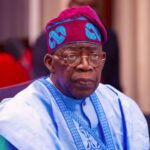


Senate Orders Probe of Attacks on Tinubu, Atiku, Obi as Electoral Violence Rises Ahead of 2027 Polls
Growing violence around electoral activities is alarming stakeholders. The Senate has directed security agencies to investigate reported attacks on President Bola Tinubu, Atiku Abubakar (presidential...


Growing violence around electoral activities is alarming stakeholders. The Senate has directed security agencies to investigate reported attacks on President Bola Tinubu, Atiku Abubakar (presidential candidate of the African Democratic Congress, ADC), Peter Obi (presidential candidate of the Nigerian Democratic Congress, NDC), and other political leaders amid mounting fears of political violence ahead of the 2027 general elections.
The upper chamber, in its plenary session on Tuesday, also urged the Independent National Electoral Commission (INEC) to enforce the relevant provisions of the Electoral Act 2026 against candidates whose agents or supporters instigate violence, irrespective of their political affiliations, in accordance with the provisions of the 2026 Electoral Act and an established conviction by the court.
The lawmakers resolved the motion sponsored by the Senator representing the Bauchi Central Senatorial District, Abdul Ningi, in which he raised concern about the rising political and electoral violence and the reports of attacks on politicians, calling for urgent attention to the development as the country prepares for the 2027 general elections.
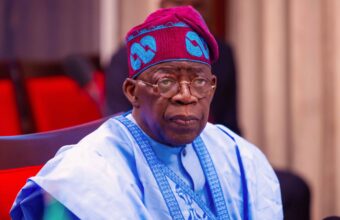
In his motion, Senator Ningi drew the lawmakers’ attention to the reported attacks on political leaders and supporters in Abuja, Benue, Delta, and Sokoto states, describing the incidents as a threat to peaceful political participation, in which he made a reference to the reported attack on President Tinubu’s motorcade on November 13 when he was returning from observing Jumu’ah prayers at the Shehu Shagari Central Mosque in Garki, Abuja. According to reports, the convoy was reportedly attacked with stones and other dangerous objects, resulting in damage to vehicles and injuries to security operatives.
Apart from the reported attack on President Tinubu, the lawmakers also addressed the attack on the convoy of Atiku, the African Democratic Congress (ADC) presidential candidate, during campaign engagements in Kebbi by some suspected political thugs, in which opposition members’ campaign vehicles were reportedly vandalised, and the supporters were equally attacked.
In the same vein, the lawmakers recalled the attack on Mr. Peter Obi’s campaign train and other political stakeholders in Benue State, as well as the disruption of a political procession involving supporters of the Nigerian Democratic Congress (NDC) and the Obidient Movement in Asaba, Delta State, on November 7, which reportedly left one person dead and five others injured.
Addressing the rising electoral violence ahead of the coming polls, the lawmakers in their motion described the development as a disturbing pattern of political intolerance, intimidation, and violence capable of undermining public confidence in the electoral process and discouraging citizens from exercising their democratic rights, warning that failure to investigate and prosecute perpetrators and sponsors of political violence could encourage further attacks, deepen political divisions, and threaten the peaceful conduct of the 2027 elections.
As a result, the Senate called on the Federal Government to direct the Inspector-General of Police and other security agencies to strengthen protection for political leaders, candidates, supporters, and political gatherings across the country.
The lawmakers also mandated the Senate committees on National Security and Intelligence, Public Affairs, and INEC to engage relevant institutions and report back within one week on measures to prevent political violence and safeguard the forthcoming elections, calling for effective early-warning and rapid-response mechanisms to identify and prevent potential attacks and calling for a firm position against political violence, as attacks on political leaders could extend to lawmakers if not checked.
Reacting to the submission of the lawmakers, Senate President Godswill Akpabio called on the Independent National Electoral Commission (INEC) to use its power as the umpire to take punitive actions against candidates and political parties that are found guilty of instigating violence and hate speech, which is leading to the attacks on political leaders.
“Any candidate or supporter caught instigating violence, then INEC has the right to disqualify. We should call the attention of INEC to the 2026 Electoral Act; no matter the political party, such a candidate should immediately be disqualified. They are embedded in the 2026 Electoral Act and require strong implementation.”
He urged the electoral commission to enforce the provisions of the 2026 Electoral Act, which provides for sanctions against electoral violence, underscoring the need for strict implementation ahead of the 2027 general elections.
Rising Spate of Electoral Violence Ahead of 2027
There has been a call to address the rising spate of election-related violence as the country heads for the 2027 general elections, a development that could potentially extend beyond immediate security concerns to voter apathy, unequal political competition, and declining public confidence in democratic institutions.
According to the National Peace Committee’s most recent report, between August 19 and October 27, 2026, there were 109 violations of the National Peace Accord in 26 states and the Federal Capital Territory. These included 15 instances of intimidation and threats, 19 attacks on political activities and campaign assets, 29 instances of misinformation and disinformation, and 33 instances of political violence and thuggery.
These have been reflected in the reported attacks on political convoys, campaign gatherings and party activities in states including Benue, Enugu, Oyo, Ebonyi, Cross River, Delta and Lagos, further highlighting growing concerns about the safety of political candidates, supporters and journalists.
Moreover, civil society organisations and concerned stakeholders have also called for stronger enforcement of electoral laws, arguing that arrests without prosecution may not effectively deter electoral violence, noting that while political parties sign peace treaties ahead of successive elections, its effectiveness will depend on their willingness to respect its provisions and accept accountability for violations.








No Comment! Be the first one.