Nigeria’s democracy is currently undergoing significant challenges. The expectations that democratic governance would provide security, prosperity, justice, and accountability are increasingly in question, as citizens contend with rising poverty, disputed elections, and pervasive insecurity. These interconnected crises are not independent; rather, they reinforce each other, highlighting the vulnerabilities within the nation’s democratic institutions and underscoring
Nigeria’s democracy is currently undergoing significant challenges. The expectations that democratic governance would provide security, prosperity, justice, and accountability are increasingly in question, as citizens contend with rising poverty, disputed elections, and pervasive insecurity.
These interconnected crises are not independent; rather, they reinforce each other, highlighting the vulnerabilities within the nation’s democratic institutions and underscoring the significant disparity between governing authorities and the public interest.
Economic Challenges and the Diminishing Social Contract
Economic challenges, including inflation, unemployment, and rising living costs, are contributing to a decline in public confidence in democratic institutions, as these factors create significant difficulties for individuals in their daily lives.
Rising inflation has significantly reduced purchasing power, with soaring food prices and sharply increased transportation costs. Meanwhile, high rates of unemployment and underemployment are forcing many young people out of productive roles.
Currency depreciation, the elimination of subsidies without adequate mitigating measures, and insufficient social protection frameworks have contributed to heightened perceptions of neglect among the population.
For many families, democracy is measured not only by laws, but also by the cost of essentials like food, fuel, schooling, and healthcare. Rising living expenses continue to impact people’s daily lives.
In cities such as Lagos and Abuja, workers now spend over half their income on food and transport due to subsidy removal; in Kano, some families have pulled their children from school because they can’t afford the fees.
Also, in Benue State, farmers are abandoning their farmlands due to the combined pressure of insecurity and rising input costs, worsening food shortages and deepening poverty.
Electoral Mistrust and Crisis of Representation
Elections form the basis of democracy, but when people believe they are being manipulated, the heart of democracy is damaged. In recent elections, people have expressed worries about issues like buying votes, violence, technology problems, inconsistent court decisions, and a growing disconnect between the votes cast and the final results announced.
A growing number of voters think that elections sometimes fail to represent the true wishes of the people. In Nigeria, many citizens feel their votes don’t matter, so they withdraw from the process, allowing powerful interests to take greater control of politics.
During elections, electorates reported failures of the BVAS technology at polling units, violence and intimidation kept people away from voting. In several instances, results announced by courts contradicted figures recorded at polling units.
Insecurity and Weakening State Authority
Many areas of the country continue to face significant insecurity. Issues such as banditry, kidnapping, insurgency, communal conflicts, and criminal violence disrupt people’s lives, force communities to relocate, and weaken trust in the government’s ability to keep citizens safe. Ongoing insecurity also hampers economic growth, discourages investment, and worsens humanitarian challenges.
The presence of armed non-state actors challenges the monopoly of force expected of the state and complicates democratic participation. In areas where people fear to travel, campaign, or even vote, democracy becomes a theoretical exercise rather than a lived experience.
Way Forward: Rebuilding Trust and Strengthening Nigeria’s Democratic Foundations
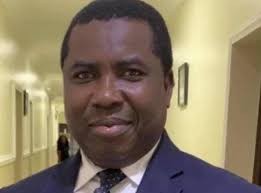
Public policy analyst Mr. Kolapo Bakare stated that Nigeria’s present democratic challenges necessitate actionable solutions rather than rhetorical statements or sporadic reforms. He emphasised that progress depends on restoring public trust by establishing transparent institutions, implementing policies attuned to the experiences of citizens, and fostering leadership committed to self-reform.
According to him, the country must confront the widening gap between the governed and those who govern. Public communication that dismisses citizens’ struggles or blames them for systemic failure deepens alienation. Leadership must demonstrate empathy, not as a political performance, but as a governing body.
Also, citizens must remain engaged, insisting on accountability while resisting the temptation of disengagement or authoritarian shortcuts. Democratic fatigue is a real danger, but it is not irreversible.
Mr Bakare said, “A central priority is restoring confidence in the electoral process. Elections remain the heart of democracy; when citizens believe their votes do not matter, participation declines, and legitimacy weakens.
“Also, strengthening electoral credibility will require a culture of transparency at every stage, from party primaries to final result collation. Technology should not simply be announced but made reliable, audited and verifiable, while logistics and security must ensure that voting is accessible, peaceful and timely.
“Citizens must see consequences for those who manipulate outcomes, whether officials, politicians or party agents. Public trust grows when laws are enforced without selective application.”
Mr. Bakare emphasised the importance of aligning governance with real economic conditions, particularly regarding ways to enhance people’s lives. He suggested that policy discussions should move beyond abstract macroeconomic terms and focus on practical, tangible benefits for everyone.
According to him, “ the country must confront the widening gap between the governed and those who govern. Leadership must demonstrate empathy not as political performance, but as governing philosophy. Citizens in turn must remain engaged, insisting on accountability while resisting the temptation of disengagement or authoritarian shortcuts.
“Reforming the economy requires deliberate cushioning for vulnerable groups, support for productive sectors such as agriculture and small businesses, and credible efforts to reduce the cost of governance.
He gave reasons why insecurity remains one of the greatest threats to democratic stability in Nigeria and how leaders can overcome the challenge.
“Addressing insecurity requires a comprehensive strategy that blends intelligence-driven military operations with social and economic interventions. Security agencies must be better equipped, trained and held accountable, while the root causes of violence, poverty, exclusion, youth unemployment, and criminal economies are addressed alongside military action.
He concluded that, “the way forward lies in when people can vote freely, live safely, seek justice without fear and meet basic needs with dignity, democracy gains substance beyond constitutions.”