To promote inclusive participation in Nigeria’s political and leadership landscape, media executives on Friday signed a memorandum of understanding with United Nations Women to increase women’s visibility and create a favourable environment for women to occupy critical leadership positions in the country. The document was signed at the UN women’s roundtable meeting with Chief Executive
To promote inclusive participation in Nigeria’s political and leadership landscape, media executives on Friday signed a memorandum of understanding with United Nations Women to increase women’s visibility and create a favourable environment for women to occupy critical leadership positions in the country.
The document was signed at the UN women’s roundtable meeting with Chief Executive Officers and Managing Directors of key electronic, print, and digital media to further address the challenges affecting women’s representation in the political and economic development in Nigeria.
The signing of the MOU represented a commitment by key media houses to provide platforms for women to advance in legislative and leadership roles, as well as to enhance their economic empowerment through capacity building and promotion of women’s leadership in the development sector.
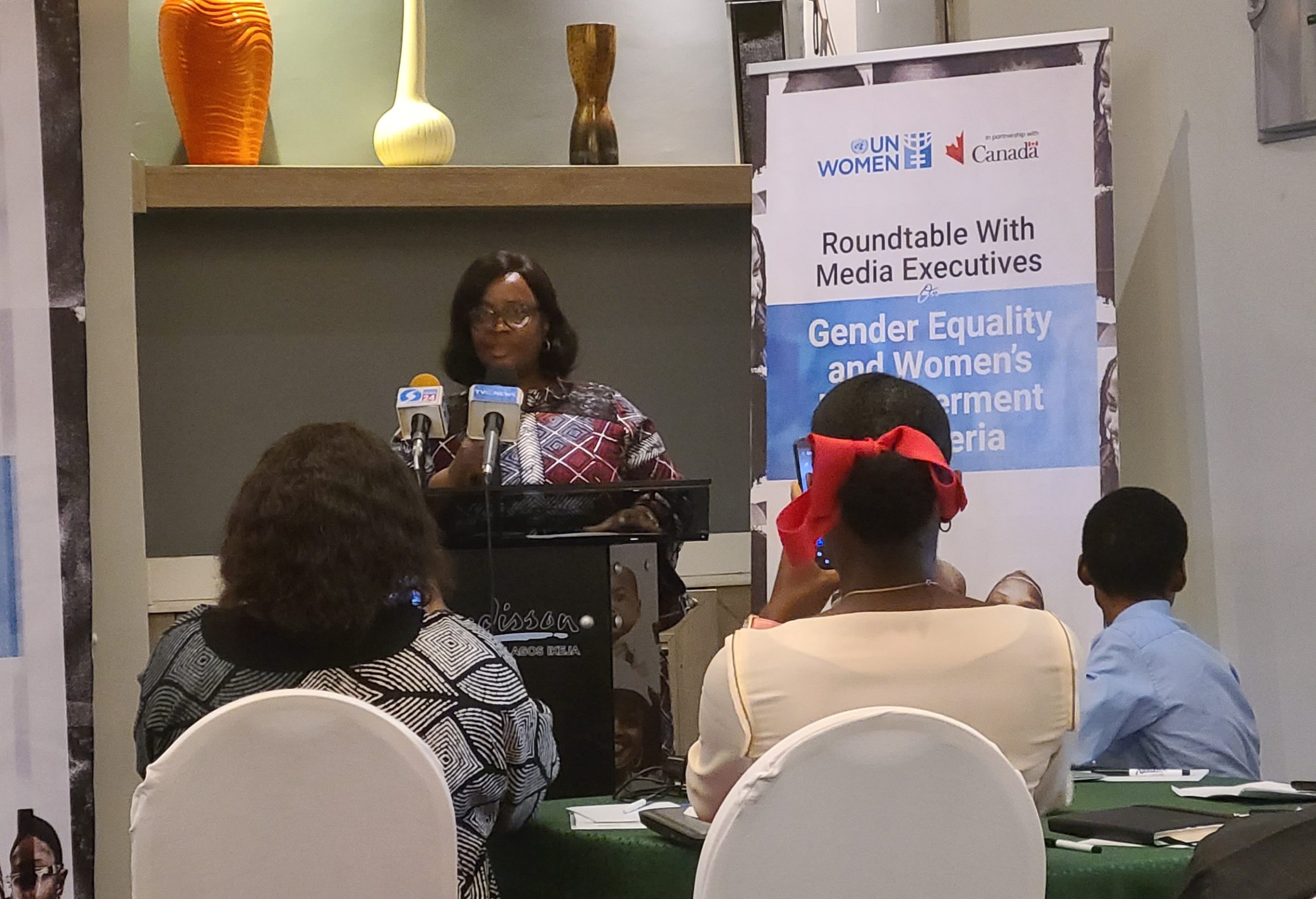
In her opening remarks, Beatrice Eyong, UN Women’s Country Representative to Nigeria and ECOWAS, emphasised the role of the media in projecting women for critical positions in Nigerian leadership, stating the challenges of the under-representation of women in governance despite having a significant population in the country.
The UN Women representative explained that the roundtable meeting was aimed at creating room for mutual ground with the media and an impact on how women could get more projection to create a viable environment for them to thrive with their ambition to win elections and get more appointments to important positions in government.
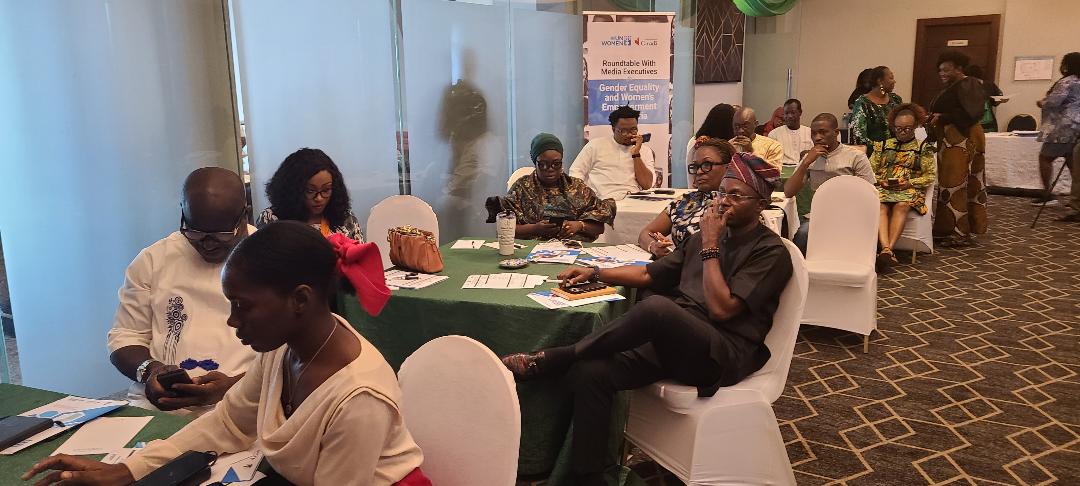 A cross section of the participants
“Nigeria media must take a front seat in projecting women-based issues by helping them surmount the challenges around women’s inclusion in the country. It has been established that if there are not at least 30% of women in the government, there won’t be an achievement of Sustainable Development Goals in a country.
“The media’s role in winning elections is critical; they must promote women’s issues because women are under-represented in the development sector. Men and women are supposed to be operating at par, but the number has continued to reduce. The media must accentuate positive things about women to bring them to the fore on the leadership table”.
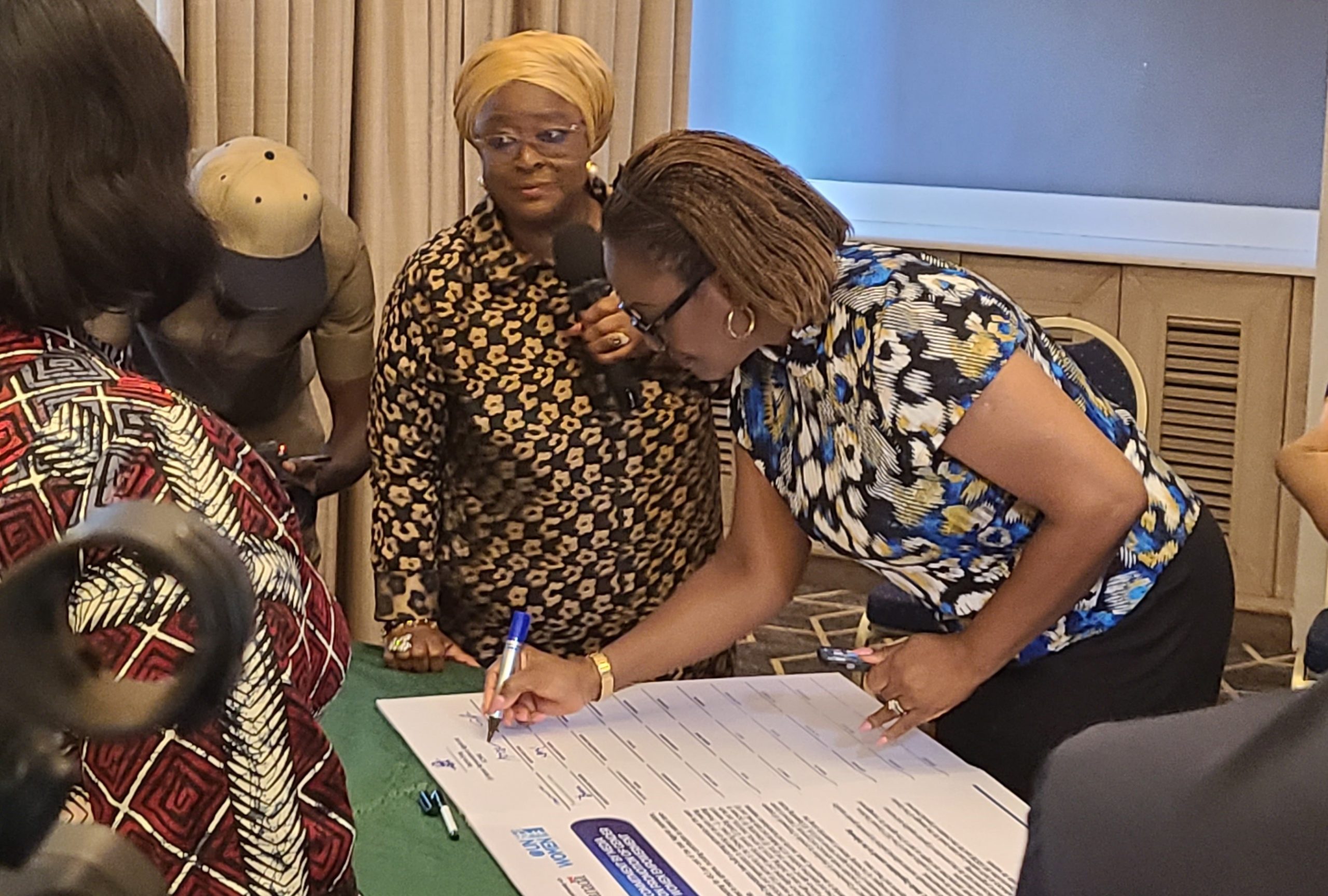 A cross section of the participants
“UN Women believes that investing in women is investing in the very fabric of society. No nation can truly thrive if women are left behind. Our support is grounded in shared values, mutual respect, and a common vision with the Government and people of Nigeria,” she said. she said.
In her submission, Aminat Oyagbola, the Founder of Women in Successful Careers acknowledged the role of media as pivotal in being active in shaping narratives and changing perspectives about women among the members of the public.
She expatiated that the media must be responsible for painting women as capable hands to lead the country as much as their male counterparts, adding that if the media does not play active roles in this assignment, there will not be desired development in society.
“The media must provide women with a voice, especially in places where they are under-represented; if the media fails to do this there is no way there will be visibility for women. A more inclusive and balanced representative in media houses must also take full position; through that reporting, women would be easy to accomplish on different platforms.
In his goodwill speech, Eze Anaba, the President of the Nigerian Guild of Editors stated that the presence of women in Nigeria’s political sector is pivotal, while conversation about the inclusivity of women must not be theoretical, rather there should be a more practical approach to it.
He advocated for women’s involvement in government and political matters as governance has been rescinded in the country due to the reduction of women’s participation in governance.
He urged the women to take every chance pointed towards them to get governance, adding that the strategic steps to be taken must be progressive to change the narrative with the media by contributing to salient issues in society.
Speaking on behalf of Ms Maureen Chigbo, president of the Guild of Corporate Online Publishers, Mrs. Yemisi Izuora, also called for affirmative actions for the participation of women in key positions in the country, stating that the media must rise to the occasion.
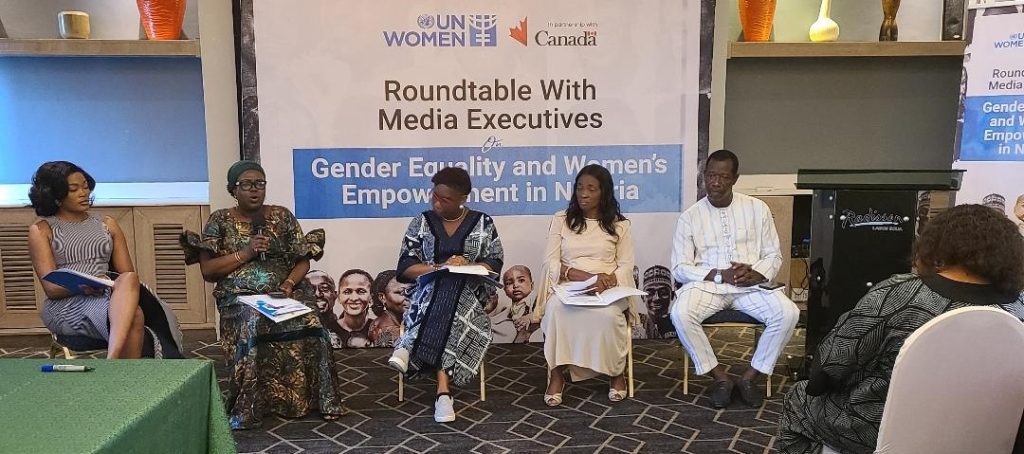
Speaking during the panel session moderated by Mrs. Motunrayo Alaka, Executive Director of Wole Soyinka Centre for Investigative Journalism, on the topic “The Role of Digital and Mass Media in Promoting Women’s Political Inclusion and Representation in Nigeria.” Mr. Dr. Lateef Odegbenle urged the men to support women to hold critical positions in the government, maintaining that women’s participation is a way forward to the country’s democracy.
Mrs. Yewande Iwuoha, General Manager of Raypower also agreed that the women must support one another to achieve inclusivity in governance, adding that the effort to participate must be deliberate. She also urged the media executive role to create a viable ground for women to express themselves such that their images in society would not be stereotyped.
Mrs. Laide Abbas, Assistant Director of News at Nigeria Television Authority (NTA), shared her thoughts on the barriers women are facing in a male-dominated world, calling for all stakeholders to support women as they are showing their readiness to express their representation in political and economic spheres.
Bunkummi Adeaga, also known as Kiekie, a content creator and social media influencer, called for women to cooperate and support one another both online and offline. She emphasised the importance of women forming strong allegiances amongst themselves to fend off attacks on social media as they continue to strive for political representation.