No, Federal Government Is Not Giving N50,000 Child Support Nigerian Parents
- News
- April 15, 2024


Claim: Video shows Nigerian senator criticising the current AGF and IGP at the Senate Chambers. Verdict: MISLEADING. The video was recorded seven years ago and does not pertain to the current AGF or IGP. Full Story A video of a Nigerian senator criticising the AGF and IGP is circulating on social media, being linked to
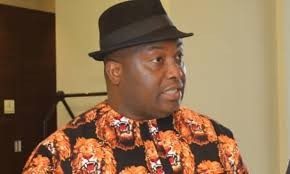
CLAIM: Footage depicts late Senator Ifeanyi Ubah’s residence as abandoned and in disrepair. VERDICT: False. The circulating video is an AI-generated deepfake. FULL STORY A video concerning the late Nigerian senator, Ifeanyi Ubah, has been widely shared on social media platforms, attracting considerable public attention and eliciting various responses. Senator Ifeanyi Ubah was a Nigerian
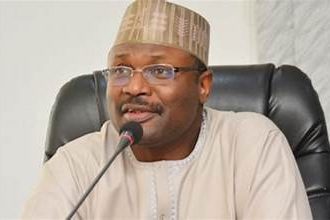
The nationwide Continuous Voter Registration (CVR) commenced on Monday, 18th August 2025, with the online pre-registration of voters, recording 69,376 Nigerians’ participation within seven hours. The registration portal went live at 8.30 am, but by 3.30 pm, just seven hours later, as many as 69,376 Nigerians pre-registered online. Of this figure, 33,803 (48.7%) are male,

The use of Artificial Intelligence (AI) amid information overload and governance gaps is an ongoing topic among civil society and media groups in Nigeria, who seek to shape AI’s role in democratic development. While AI is increasingly utilised for civic development and good governance, concerns persist about its potential misuse for spreading misinformation due to
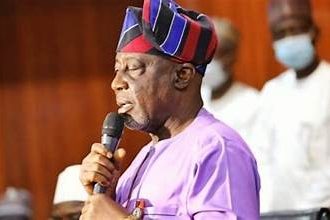
Senate Minority Leader and senior member of the Peoples Democratic Party (PDP), Abba Moro, has dismissed the prospect of Nigeria replacing its current constitution. He maintains that pursuing targeted amendments is preferable to implementing a complete constitutional overhaul. Addressing the ongoing discourse regarding constitutional reforms, Senator Moro stated that amending the 1999 Constitution would be
Although youth constitute Nigeria’s largest population group, their involvement in political leadership and elective positions has decreased significantly, resulting in limited participation in inclusive governance. The National Bureau of Statistics defines Nigerian youth as those aged 15 to 35, making up over 60% of the population. Despite this potential advantage, youths have not taken leading