

EU- SDGN Partners Seek Promotion of Civic Education to Increase Voter Participation in Nigeria
Stakeholders involved in the European Union Support to Democratic Governance in Nigeria (EU-SDGN) programme have advocated for enhanced civic education initiatives, increased grassroots outreach, and...

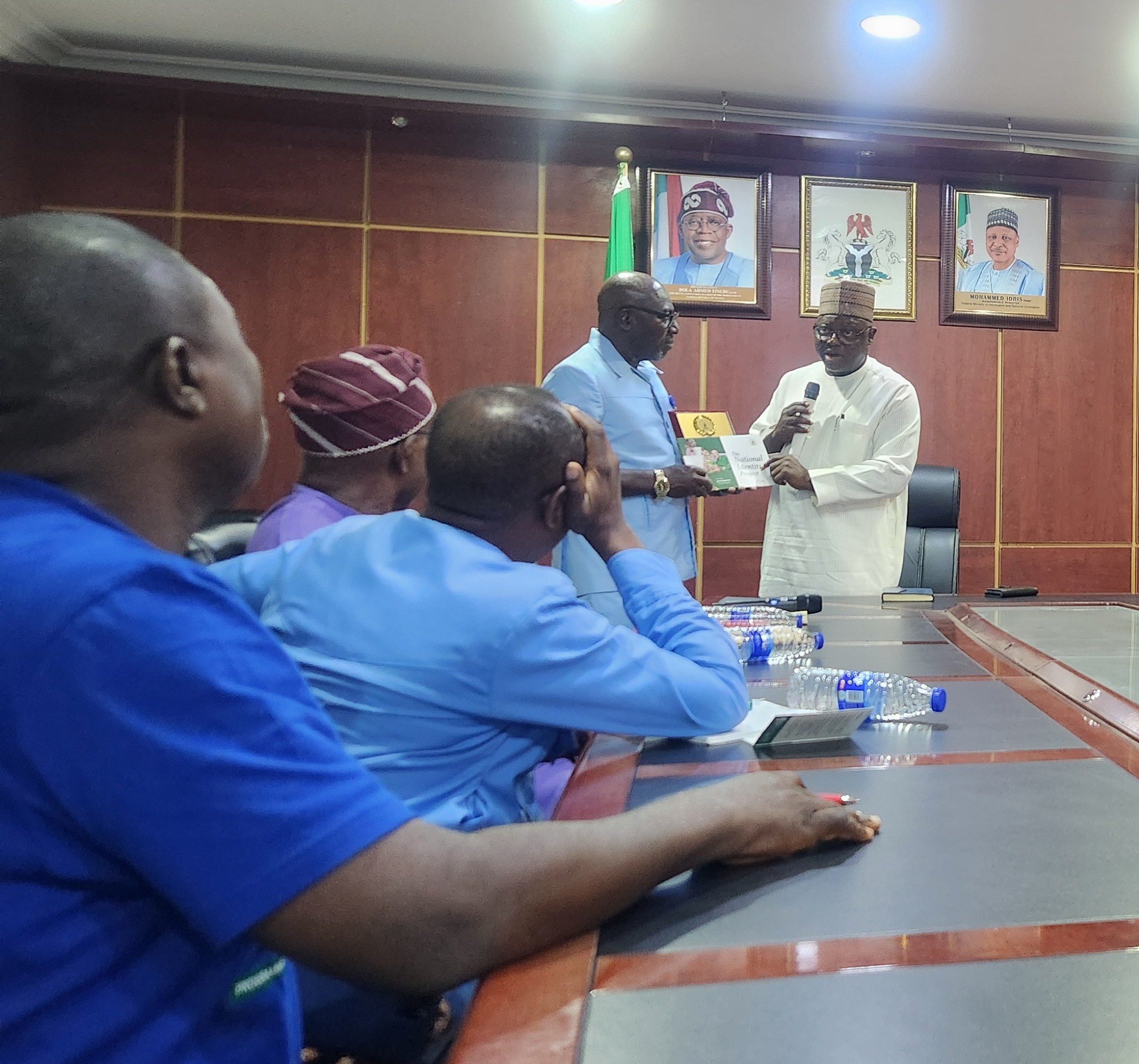
Stakeholders involved in the European Union Support to Democratic Governance in Nigeria (EU-SDGN) programme have advocated for enhanced civic education initiatives, increased grassroots outreach, and closer partnership with the National Orientation Agency as strategies to address voter apathy and low levels of citizen engagement in Nigeria’s electoral process.
The EU-SDGN Partners, including the International Press Centre (IPC), Centre for Media and Society (CEMESO), Kukah Centre, and Yiaga Africa, have highlighted several factors responsible for low citizen participation in elections and democratic governance in Nigeria.
The stakeholders made the observations during an engagement with the National Orientation Agency (NOA), where discussions centred on strengthening civic education and encouraging active citizen involvement in the electoral system.
The Executive Director of the International Press Centre, Mr Lanre Arogundade, identified misinformation, disinformation, under-representation, and electoral mistrust as key issues fuelling voter apathy in the country.
Mr Arogundade said, “We need to deliberate on issues that can move conversations. We need to provide enlightenment on the sessions of the Electoral Act for all citizens, including the media.”
Also speaking, the Executive Director of the Centre for Media and Society (CEMESO), Dr Akin Akingbulu, stressed the importance of grassroots sensitisation, noting that broadcast stations should be integrated into civic education programmes to reach citizens effectively.
“We need the agency to bring more broadcast stations to sensitise the citizens on electoral matters, especially at the grassroots level. This act will yield positive results if implemented,” he said.
Adding to the discussion, Mrs Yetunde Bakare, Programme Manager at Yiaga Africa, emphasised the need to sensitise young people on democratic values and their roles in governance.
“Young people need to be sensitised to being part of the solution and not the problem. They do not know the ages of people running for office. We are in the area of AI. How do you guide the minds of citizens to avoid misleading them? These are things that the agency needs to look into,” she said.
Mr Esrom Ajanya, Project Coordinator at the Kukah Centre, also stressed the need for sustained advocacy to ensure citizens understand their responsibilities in elections.
According to him, there is a common knowledge gap among citizens that must be addressed to prevent apathy in future elections.
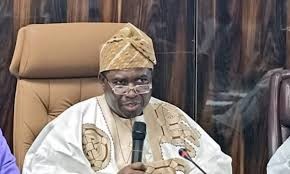
Responding to the concerns, the Director General of the National Orientation Agency (NOA), Mallam Isa-Onilu, said the agency’s mandate includes mobilising and sensitising Nigerians on their civic duties.
“One of our duties is to ensure Nigerians are mobilised and sensitised to their roles as citizens. We also promote institutional and ethical values among citizens,” he said.
He noted that one of the major factors affecting citizen participation in governance is the psychological disconnection many Nigerians feel toward the country.
“The citizens are psychologically disconnected. When they are psychologically disconnected, it means they have no emotional commitment. It is difficult to be patriotic. It’s not about followers alone. It’s about the citizens.
“Just like love, there must be attraction to citizens to want to say I must die for this country. Our challenges aren’t about lack of infrastructure and all, but a citizenry without being connected to its citizens will feel no reason to get involved,” he added.
He stressed the need for solutions that will strengthen national identity and civic consciousness.
“The challenge is to understand that Nigeria does not belong to the president. We do not want to scratch these things. We need to proffer solutions.
“People must be educated for them to know what it means to be a patriotic Nigerian. We need to have a national identity programme that shows who a Nigerian is,” he said.
Mallam Isa-Onilu also highlighted the importance of the agency’s National Ethics and Integrity Policy, which promotes values expected of Nigerian citizens.
“The president gave us a nationwide order to conduct national sensitisation. We have seven (7) national ethics and integrity policies that guide Nigerian citizens; they are human dignity, voice and participation, patriotism, personal responsibility, integrity, national unity, and professionalism.”
Addressing concerns about low participation at the grassroots level, he explained that the agency has personnel across local government areas to strengthen civic engagement.
“When the people know the impact of L.G., they’ll begin to take it seriously. We have 818 office personnel in all the 774 local government areas,” he said.
On the role of the media, particularly radio, in promoting civic awareness, the NOA Director General said the agency currently works with hundreds of radio stations across the country.
“The agency has 253 radio stations that it works with, and its mission is to increase the number above 600 before the end of 2026.”
He also acknowledged the growing influence of artificial intelligence and digital platforms, noting that misinformation remains a major concern in the information ecosystem.
“AI is around with its new opportunities, including its negative impact on society. In terms of misinformation, we have learnt some lessons from the approach we adopted. We did that through fact-checking training, and we partnered with CJID and CDD.”
Similarly, the Director of Special Duties and State Operations at the National Orientation Agency, Mr David Akoji, stressed the need to educate young people about the dangers of spreading misinformation online.
“To eradicate misinformation, we need to create innovative ways. Our youths do not understand the consequences of negative narratives about our country,” he said.