

Oyedele: New Finance Bill Will Fix Errors in Current Tax Laws
The Minister of State for Finance, Mr Taiwo Oyedele, has admitted to the errors and controversies surrounding the recently passed Nigerian tax reform laws, giving assurances that the new finance bill...


The Minister of State for Finance, Mr Taiwo Oyedele, has admitted to the errors and controversies surrounding the recently passed Nigerian tax reform laws, giving assurances that the new finance bill before the lawmakers will correct the identified issues in the legislation.
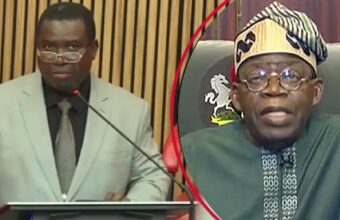
Before he was appointed Minister of the Federation, Mr. Oyedele served as Chairman of the Presidential Fiscal Policy and Tax Reforms Committee. He addressed the issues related to the recent tax legislation during a fireside chat at the 2026 Annual Conference of the Nigerian Bar Association Section on Legal Practice.
Mr Oyedele spoke to the essence of the tax reforms on the country’s fiscal strength and how they could address the disparity in the taxation system of the country, as the government intended to create a policy that would provide transparency and fairness in dealing with Nigerians.
However, Mr Oyedele acknowledged the controversy surrounding the tax laws, particularly allegations that the copies made available to Nigerians differ from the gazetted tax laws available to Nigerians, which differ from the laws passed by the national assembly.
Blaming the discrepancies on the errors that occurred during different stages of law as a result of manual processes and multiple stages of review, Mr Oyedele said the finance bill, which is currently before the lawmakers, will correct some of the issues noted in the tax laws to ensure that there is transparency in the fiscal laws in the country.
“What we need is a more transparent and reliable legislative process where every version of a law is publicly available. The decisions lawyers help businesses make will determine investment, job creation, and revenue generation,” he said.
He also added that the transparent collection will increase funding for infrastructure, education, and healthcare, urging the lawyers to work with the government on effective implementation, stressing that the success of the reforms depends on how well they are applied in practice.
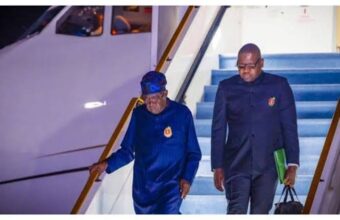
President Bola Tinubu signed the new tax laws on June 26, 2025, to address some of the identified bottlenecks in Nigeria’s taxation system, such as duplication, reducing red tape, and promoting transparency and coordination at all levels.
Before its passing, the laws faced opposition from different stakeholders, particularly the Northern Governors, who argued that the proposed laws could harm the region’s interests, asking the national assembly to reject the bills and demanding fair and equitable implementation across all regions. Meanwhile, after consultations with relevant stakeholders, all aggrieved parties agreed to the passing of the laws.
However, on December 17, 2025, Abdussamad Dasuki, a member of the House of Representatives from Sokoto, claimed that the gazetted tax laws available to Nigerians are different from the laws passed by the National Assembly.
In his submission during the plenary session of the House, the lawmaker insisted that the gazetted copy of the tax law, which should bear the official publication of the laws that have been approved by the legislature and signed into law by the president, was different from the documents presented to the Nigerians.
“What was passed on the floor is not what is gazetted. Mr Speaker, honourable colleagues, I was here; I gave my vote, and it was counted, and I am seeing something completely different,” Honourable Dasuki insisted.
The allegation elicited mixed reactions from Nigerians, who raised eyebrows and questioned the actions of lawmakers and parties involved in the passage of the tax bills into law, claiming that such action indicated an attempt to manipulate the law and create public distrust.
Consequently, some advocated delaying the implementation of the laws scheduled for January 2026 until essential investigations could identify and resolve the discrepancies. Despite these appeals, they were disregarded.
The allegation also prompted the House of Representatives to release certified copies of the four tax reform Acts recently signed into law by President Bola Tinubu. The House also set up a seven-man committee to investigate the allegations and bring its findings to the lawmakers.
Reacting to the development, Mr Taiwo Oyedele, who was the helmsman of the tax law, also urged Nigerians to wait for the outcome of the committee’s investigations into allegations of discrepancies in the gazetted laws.
Meanwhile, after the investigation into the lawmakers, a statement by the spokesperson of the House of Representatives, Hon Akin Rotimi, said the leadership of the country’s legislative arms had agreed to work with relevant executive agencies to re-gazette the tax law.
While the statement neither confirmed nor debunked the allegations of discrepancy then, Hon. Rotimi only said that the action was being taken in “the interest of clarity, accuracy, and the integrity of the legislative record and to authenticate and accurately reflect the legislative decisions of the National Assembly.”
Hon Rotimi maintained that “It does not constitute, imply, or concede any defect in the exercise of legislative authority by the House of Representatives or the Senate.
“It is undertaken without prejudice to the powers, functions, or actions of any other arm or agency of government, and without prejudice to any rights, obligations, or legal processes arising under the Constitution or any other applicable law.”