
Tinubu Signs New NIMC Act to Strengthen Identity, Security, Digital Economy
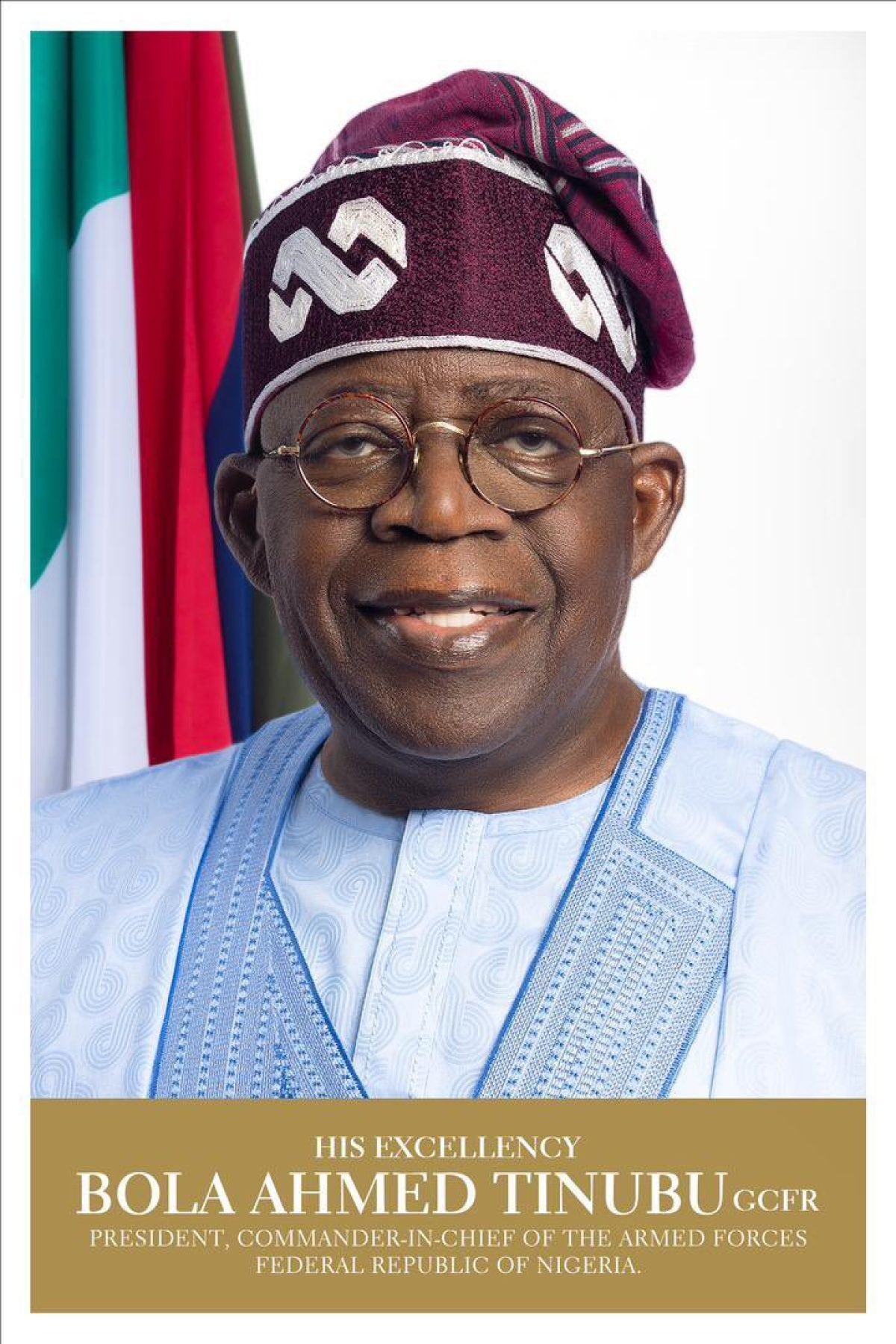
President Bola Tinubu on Friday signed the new National Identity Management Commission (NIMC) Act into law to reshape Nigeria’s identity management system, improve national security, enhance...

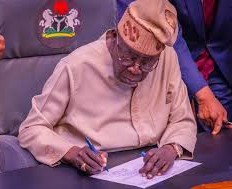
President Bola Tinubu on Friday signed the new National Identity Management Commission (NIMC) Act into law to reshape Nigeria’s identity management system, improve national security, enhance public service delivery, and support the country’s growing digital economy.
The president signed the NIMC Act into law on Friday at the State House in Abuja.
At the event were the Senate President, Godswill Akpabio; the Deputy Speaker of the House of Representatives, Benjamin Kalu; and the House Leader, Julius Ihonvbere.
Also in attendance were the Attorney General and Minister of Justice, Lateef Fagbemi; the Minister of Interior, Olubunmi Tunji-Ojo; the World Bank’s representative, Taimur Samad; and the Director-General of the National Identity Management Commission, Abisoye Coker-Odusote.
According to Mr. Tunji-Ojo, he described the legislation is a major milestone in the Federal Government’s ongoing reforms to strengthen internal security and make government services more accessible.
He disclosed that Nigeria’s increasingly integrated identity database recently contributed to the arrest of suspected terrorists returning from the holy pilgrimage.
“Let me sincerely thank Mr President. The last time we had a NIMC programme, I referred to Mr President as the Grand Innovator of the Federal Republic. I wasn’t kidding. With this law, our security architecture can be enhanced.
“When Mr President came on board, we had a disconnected system within our identity data management system. At that time, getting a passport and getting a driving permit were completely disconnected from our identity database. But today, you can’t get a Nigerian passport without pulling data from NIMC,” Mr Tunji-Ojo said.
The minister explained that the new law would speed up the integration of government identity databases, strengthen the integrity of the National Identity Number (NIN) system, improve collaboration among government agencies and enhance the country’s ability to tackle identity theft, terrorism, financial crimes and other security challenges.
Highlighting the impact of the reforms, he said immigration records are now synchronised with the NIMC database, improving border security and intelligence gathering.
“What you have in immigration is what you have in the NIMC database, and let me say this clearly, that it has even helped our border control process. I know, sometime ago, the Senate President was alarmed by how some terrorists went on pilgrimage, wondering how they crossed our borders. We inherited a fractured system.
“But I’m happy to tell you that even last week, Thursday, seven of the known commanders of Boko Haram and ISWAP at the point of coming back from Mecca were arrested in Katsina at the airport and were handed over to the DSS.
“This is only possible because NIMC’s ID is already connected with the immigration database, and it’s already speaking to even the Interpol 24/7, and we have been able to automate this,” the minister said.
Akpabio welcomed the presidential assent, saying the legislation demonstrates the National Assembly’s commitment to enacting laws that address Nigeria’s evolving security and development priorities. He expressed confidence that the Act would strengthen public trust in the nation’s identity management system.
The Senate President also said the legislation reflects President Tinubu’s broader reform agenda and fulfils his commitment to modernising Nigeria’s identity management framework.
Similarly, Kalu described the new law as a transformative reform that would improve governance, promote accountability, and drive national development through a more credible identity management system.
“The world is aware that the NIMC Act of 2007 was obsolete, and they have been monitoring that an effort was being made towards retooling, redefining, and re-equipping that piece of legislation to become what is fit for purpose, considering our current realities, and they were waiting to hear from us when it is going to become an instrument that we will use in building our nation.”